




You’ll do a lot of things in the name of health—cardiovascular exercises, strength training, stretching, we could go on—but if we offered you a capsule filled with live bacteria, you might politely (or disgustingly) decline. But what if we told you that microbe capsule might improve many aspects of your health—like gut health, brain health, skin health, immune health, vaginal health, and much more?
If you’re curious about this bacterial supplement, look no further. If you’re still shaking your head in disgust, we encourage you to read in full. We think we might change your mind after revealing the best probiotic supplements on the market.
Why trust our top picks? Well, not only are we a group of registered dietitians, sports nutrition experts, and certified personal trainers who live and breathe all things wellness. We actually test out our products and not just paraphrase a Google search—just as you’ll notice in our reviews on the best greens powders and the best creatine.
After researching more than three dozen probiotic supplements and testing more than 20 of them, we’ve narrowed our list down to our top picks by using our GGR supplement testing methodology that looks at things like:
- Strains: Does it have the appropriate strains to help improve gut health or treat intestinal disorders?
- CFUs: Does it have the proper number of colony-forming units (or CFUs)?
- Swallowability: Can you take it easily?
- Price: Is it affordable?
Medical disclaimer: This article is intended for educational and informational purposes only. It is not a substitute for health or medical advice. For medical advice, contact an appropriate healthcare provider.
15 Best Probiotic Supplements
- Best Probiotic Overall – Seed DS-01 Daily Synbiotic
- Best Probiotic for Weight Loss – Legion Biome
- Best Prebiotic and Probiotic Combination – Ritual Synbiotic+
- Best Probiotic for Bloating – Transparent Labs Probiotic-Advanced Gut Health
- Best Budget Probiotic – Nutricost Probiotic Complex Capsules
- Best Probiotic for Constipation – Onnit Total Gut Health
- Best Probiotic for Gut Health – Sports Research Daily Probiotics
- Best Probiotic for Women – Ora Organic Lady Bugs Women’s Probiotic and Prebiotic
- Best Probiotic for Men – Bauer Nutrition Biotics 8 Probiotic
- Best Probiotic for IBS – Culturelle Digestive Daily Probiotic
- Best Vegan Probiotic – Hum Nutrition Gut Instinct Probiotic
- Best Liquid Probiotic – Mary Ruth Organics Organic Liquid Probiotic
- Best Probiotic Yogurt – FAGE Total 0% Milkfat Plain Greek Yogurt
- Best Probiotic for Kids – Nurished Kids
- Best Probiotic for Metabolic Health – Pendulum Metabolic Daily
What Are Probiotics?
Probiotics are called “good bacteria.” They are live microorganisms that are most commonly taken in capsule form. Because the bacteria is alive they often need to be refrigerated to get all the health benefits, which include improved gut health.
Probiotic supplements are measured in CFUs, which stand for colony-forming units. CFUs let you know how many microbial cells are in each serving or capsule. In addition to probiotic supplements, probiotics can be found in fermented foods like yogurt and kimchi.
Because probiotics are bacteria, there are different strains and variants found in each supplement or food. Some of the most common probiotic sources (which you’ll see featured in the products below) include Lactobacillus, Bifidobacterium, Saccharomyces, Streptococcus, Enterococcus, Escherichia, and Bacillus.
Additionally, you’ll notice some of our top picks contain prebiotics, which are ingredients that help the microorganisms have their own food source to thrive properly in your gut. Much like probiotics, prebiotics can also be found in food sources like whole grains and leafy greens.
What Do Probiotics Do?
The live microorganisms in probiotics are used to maintain or improve the amount and quality of good bacteria—or normal microflora—in the body, particularly in the digestive tract. These probiotics and bacteria already exist in your body, but a probiotic supplement can add or increase the existing supply of good bacteria. These friendly microorganisms can help boost your immunity against infections, as well as ward off less friendly microbes—although the exact relationship between gut health and disease is still being researched and studied.
Best Prebiotic Overall: Seed DS-01 Daily Synbiotic
Good for: Those who want a state-of-the-art synbiotic supplement
Best Overall
Seed DS-01 Daily Synbiotic
Product Highlights
- Contains both probiotics and prebiotics
- Capsule design features two layers of protection
- 24 active strains
- 53.6 billion AFU
- Allergen-friendly
Pros & Cons
Pros
- Contains both prebiotics and probiotics
- 2-layer capsule to protect probiotics
- Contains 24 active strains
- 53.6 billion AFU
Cons
- Expensive
- Some users report an upset stomach
Bottom Line
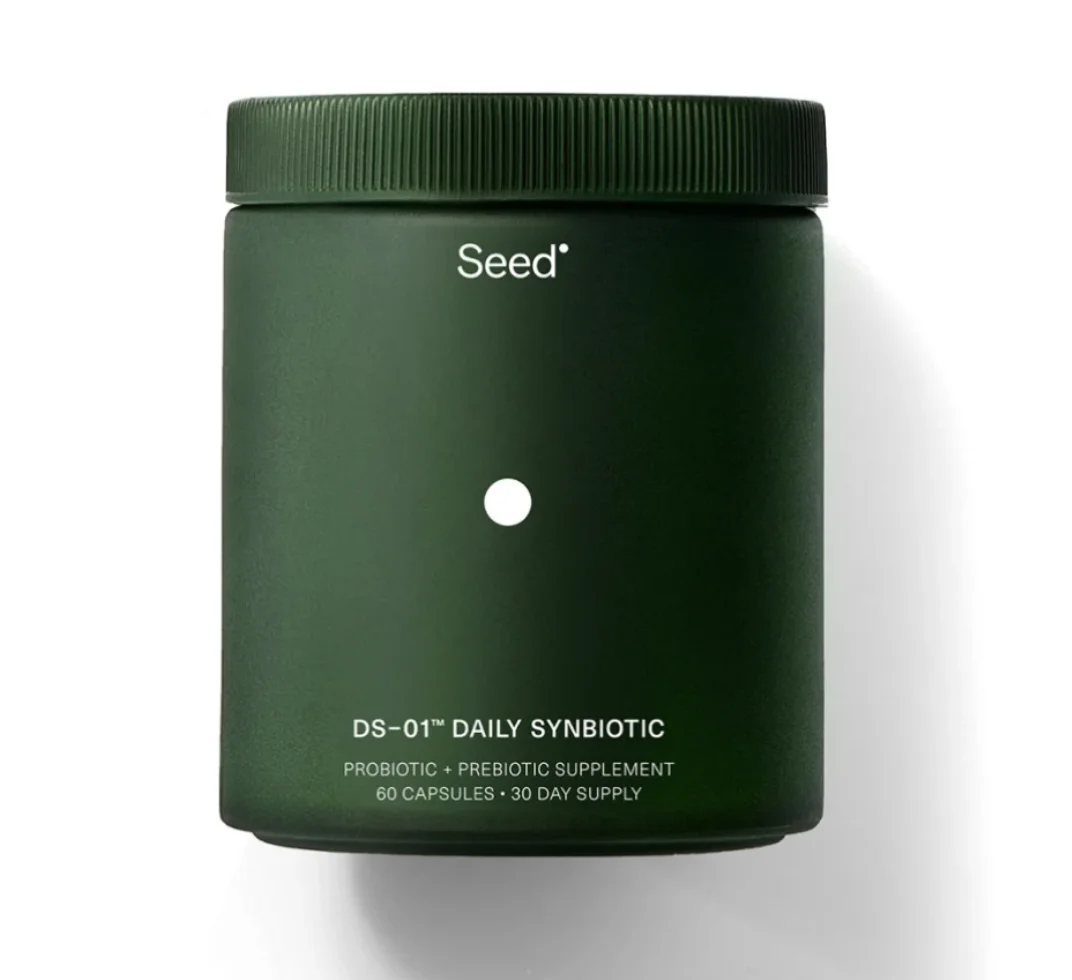
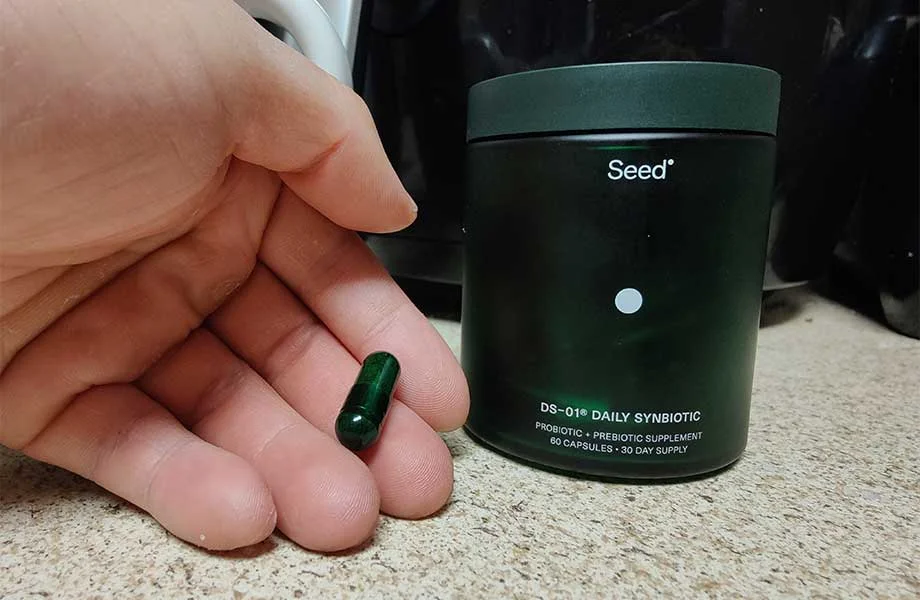
Seed Daily Synbiotic is a two-in-one capsule that contains both probiotics and prebiotic fibers. The capsule features two layers, designed to protect the active probiotics from harsh environments. It contains a wider variety of probiotics than many other brands, but is an expensive product.
Seed DS-01 Daily Synbiotic is a comprehensive synbiotic containing 53.6 billion AFUs packed with significant potencies. Strains were specifically selected to aid digestive health, gut immunity, dermatological health, cardiovascular health, and micronutrient synthesis. This is an all-encompassing solution that proved powerful enough to earn our top spot as the best overall probiotic supplement.
One major highlight is that Seed combines probiotics and prebiotics in a single capsule. Probiotics are made up of live cultures and bacteria, while prebiotics are non-digestible fibers that aid in the growth of new gut bacteria.
This synbiotic supplement leverages a unique 2-in-1 capsule technology that releases the prebiotics in the outer layer and the probiotics in the inner layer of the capsule. Our tester says the capsules were easy to swallow and didn’t cause any digestive issues, earning Seed Daily Synbiotic a 5-star rating in both categories.
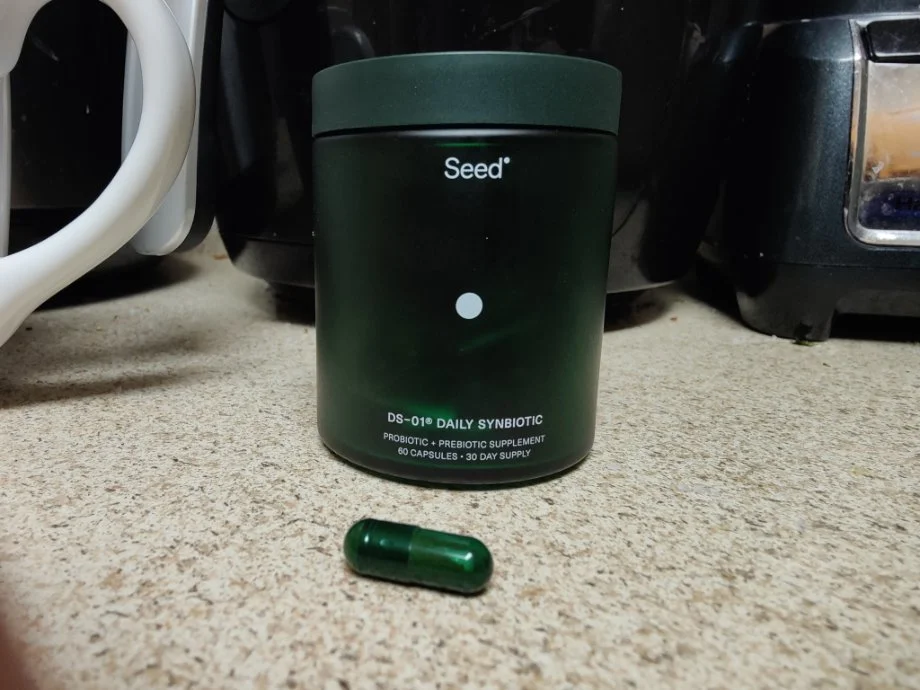
The synbiotic from Seed contains 53.6 billion CFUs packed with a ton of variety and significant potencies. Strains were specifically selected to aid digestive health, gut immunity, dermatological health, cardiovascular health, and micronutrient synthesis.
Seed Daily Synbiotic is vegan-friendly and free of dairy, gluten, soy, tree nuts, corn, sesame, shellfish, binders, and preservatives. The daily synbiotic may support digestive health and the immune system thanks to its six clinically studied and acid-resistant strains of the Lactobacillus and Bifidobacterium species.
RELATED: Ritual Synbiotic Vs. Seed
| Dose instructions | 1 capsule/day |
| Servings per container | 30 |
| CFUs | 53.6 billion CFUs per serving |
| Strain(s) | Bifidobacterium longum, Bifidobacterium breve, Lactiplantibacillus plantarum, Lacticaseibacillus rhamnosus, Bifidobacterium infantis, Bifidobacterium lactis, Lactobacillus crispatus, Lacticaseibacillus casei, Limosilactobacillus fermentum, Lacticaseibacillus rhamnosus, Limosilactobacillus reuteri, Ligilactobacillus salivarius, Lactiplantibacillus plantarum, Bifidobacterium adolescentis, Limosilactobacillus reuteri |
| Storage | No refrigeration required |
| Cost | $49.99/30 servings = $1.66 per serving |
| Form | Capsule |
Best Probiotic for Weight Loss: Legion Biome
Good for: Anyone wanting a solution for gut health that may aid their fat loss goals
Best for Weight Loss
Legion Biome
Product Highlights
- Probiotic containing clinically effective doses of 4 ingredients
- Ingredients and doses supported by multiple studies and reviews
- No artificial fillers or food dyes
- Third-party tested
Pros & Cons
Pros
- Ingredients and doses supported by multiple studies and reviews
- No artificial fillers or food dyes
- Third-party tested
- Subscribe and save 10%
Cons
- Pricier cost per serving
- Some users noted no noticeable effects
Bottom Line
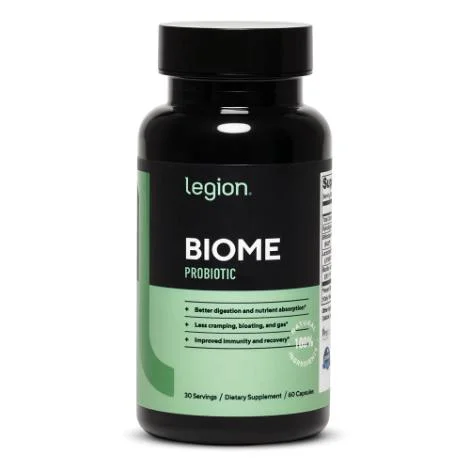
Legion Biome contains 25 billion CFUs of three strains of probiotics, along with a clinically effective dose of PreticX, a prebiotic that’s been shown to be effective in lower doses than many other prebiotics. The doses and ingredients are supported by multiple studies, and Legion Biome is third-party tested for purity as well. Although it may be a pricier probiotic, the supplement is free of artificial fillers and food dyes.
Legion Biome is a premium performance probiotic that claims to not only promote gut health, but also aid in a leaner body composition. In addition, Bob Iafelice says, “Each strain is well-researched and there’s a strain from each major family: Lactobacillus, Bifido, and Bacillaceae. Plus, the potencies are more than adequate for an effective dose.”
In particular, Bacillus subtilis was shown to help improve the body composition of female Division I athletes during offseason training in a 2020 study8, although the probiotic had no other effect on performance. A prior 2016 study9 showed that Bifidobacterium lactis had an effect in promoting fat loss and reducing waist circumference on individuals as well. While the reason why isn’t certain, researchers theorize it’s from better gut health and function.
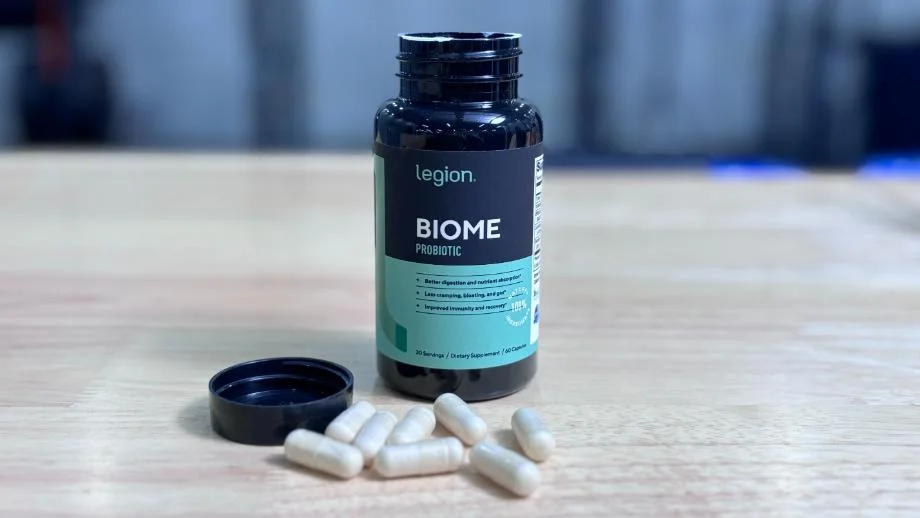
The prebiotic in Legion Biome, PreticX, is another research-backed ingredient that’s been shown10 to reduce the amount of bacteria that promote inflammation (and are associated with type-2 diabetes).
The main drawback of this probiotic is the price. At $1.67 per serving, this is a pricier option than most other probiotics. Still, with its transparency and clinically effective doses, this is a great choice for anyone concerned with gut health and losing a bit of weight. “What’s not to like about it?” Bob asks.
| Dose instructions | Take 2 capsules daily |
| Servings per container | 30 |
| CFUs | 25 billion |
| Strain(s) | Bifidobacterium lactis, Lactobacillus plantarum, Bacillus subtilis |
| Storage | Shelf-stable |
| Cost | $1.67/serving in a 30-serving container (less with a subscription) |
| Form | Capsule |
Best Prebiotic and Probiotic Combination: Ritual Synbiotic+
Good for: People looking to cover all of the healthy bacterial bases on a subscription basis
Best Pre and Probiotic
Ritual Synbiotic+
Product Highlights
- Filled with prebiotics, probiotics, and postbiotics
- Clinically studied
- Supports gut barrier function
- Delayed-release capsule designed so bacteria reaches the colon
Pros & Cons
Pros
- Traceable ingredients
- Supports gut lining and gut barrier function
- Vegan
- Non-GMO
- Delayed-release capsule
Cons
- Expensive
- Automatically signs you up for subscription
- There can be uncomfortable side effects at first
Bottom Line
The Ritual Synbiotic+ is a clinically backed probiotic with clean, traceable ingredients designed to support overall digestive health.
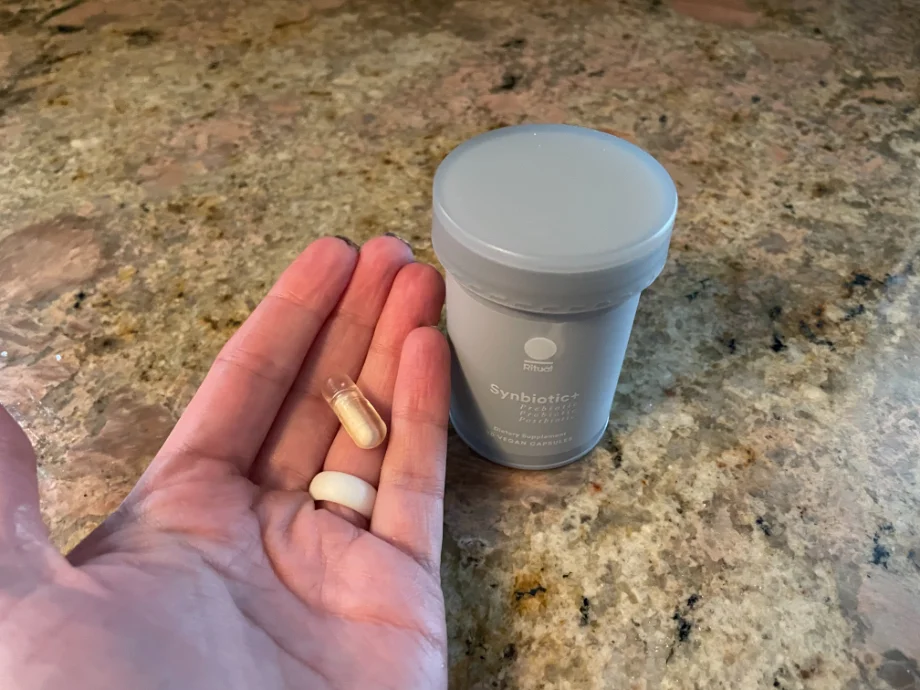
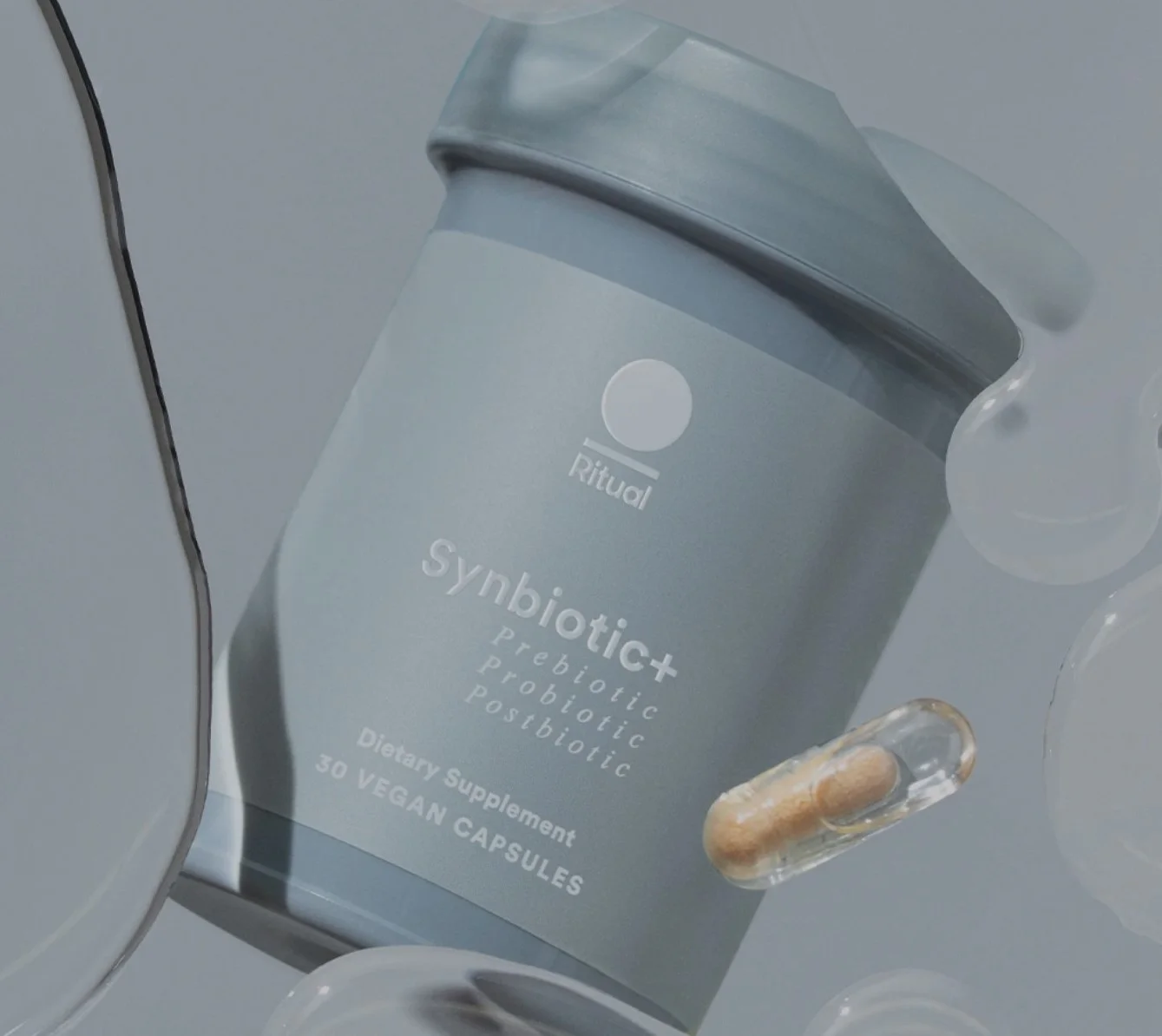
Ritual, a subscription-based service, offers a 3-in-1 synbiotic trifecta—meaning it offers pre-, pro-, and postbiotics—and can be thought of as a team effort synergizing the benefits each component offers. This earned it the distinction of being the best prebiotic and probiotic combination supplement on our list.
As a refresher, prebiotic fibers nourish the good, live bacteria otherwise known as probiotics. The International Scientific Association of Probiotics and Prebiotics (ISAPP)1 defines postbiotics as the “preparation of inanimate microorganisms and/or their components that confers a health benefit on the host.” Postbiotics are essentially the waste products of probiotics fermenting prebiotics, which include butyrate2—a short-chain fatty acid that may play a positive role in immune and inflammatory responses.
Ritual takes its product formulation quite seriously, even conducting a two-part scientific study to put its 3-in-1 gut support to the test. Needless to say, Ritual takes the extra step (or a few) to prove the efficacy of its product. They’re also so confident in their science-backed products, they offer a money-back guarantee and easy cancellation if you wish to.
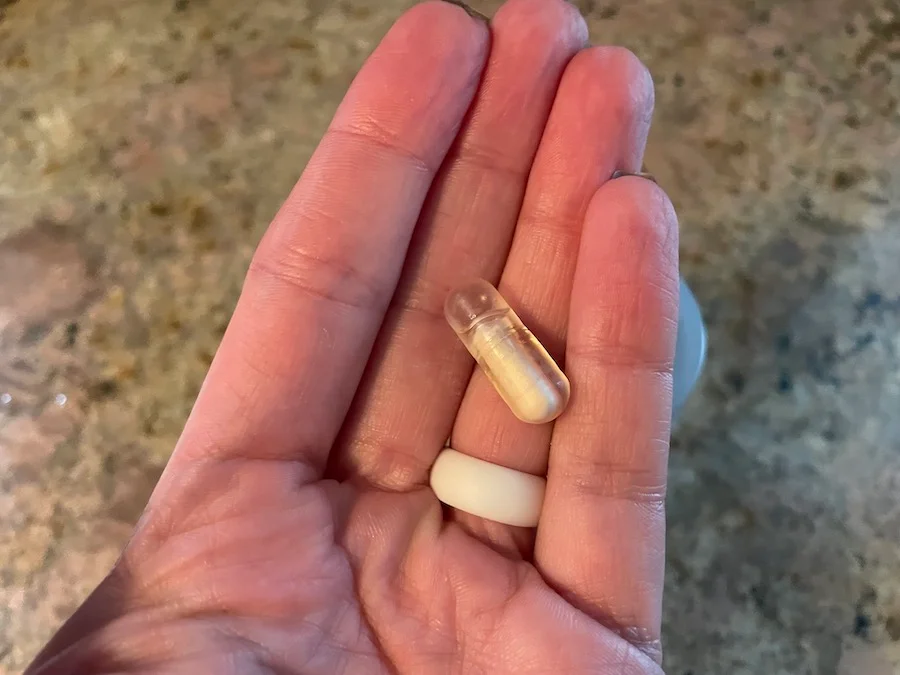
Also because we truly appreciate transparency, we can’t help but mention the ingredients they use are traceable—this means you can learn exactly where the ingredients in your supplement are coming from. Ritual’s Synbiotic is also third-party tested, vegan-friendly, and free of GMOs, gluten, and major allergens.
Ritual’s supplement is the priciest probiotic of the bunch, although they do offer free shipping—and a mint-flavored capsule! GGR Senior Director of Content and expert product tester Nicole Davis tried out Ritual Synbiotic+ and very much enjoyed the mint aroma. She said it was really easy to sign up and modify your subscription, which is a plus, too. Ritual is also our pick for the best probiotic subscription because of its accessible customer service. Check out our Ritual Synbiotic Review here.
RELATED: Ritual Promo Code
| Dose instructions | 1 capsule daily with or without food |
| Servings per container | 30 |
| CFUs | 11 billion CFUs per capsule |
| Strain(s) | Lactobacillus rhamnosus (LGG®)Bifidobacterium animalis ssp. lactis (BB-12®) |
| Storage | Shelf-stable |
| Cost | $1.80/capsule in a 30-capsule container (subscription basis) |
| Form | Capsule |
Best Probiotic for Bloating: Transparent Labs Probiotic
Good for: Those wanting to beat belly bloat and support a healthy gut
Best for Bloating
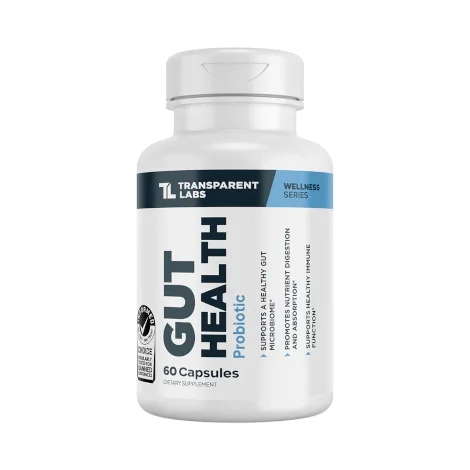
Transparent Labs Probiotic-Advanced Gut Health
Product Highlights
- Made with 10 different probiotic strains
- Can be bought on a subscription basis
- Has 100 billion CFUs per serving
- 2 capsules is 1 serving
Pros & Cons
Pros
- Made to promote a healthy gut and strengthened immune system
- No artificial sweeteners, coloring, or preservatives
- Has more than 1,000 five-star reviews
Cons
- Transparent Labs recommends that the capsules be taken on an empty stomach
Bottom Line
The Transparent Labs Gut Health Series Probiotic aims to aid immune support, overall gut health, and more.
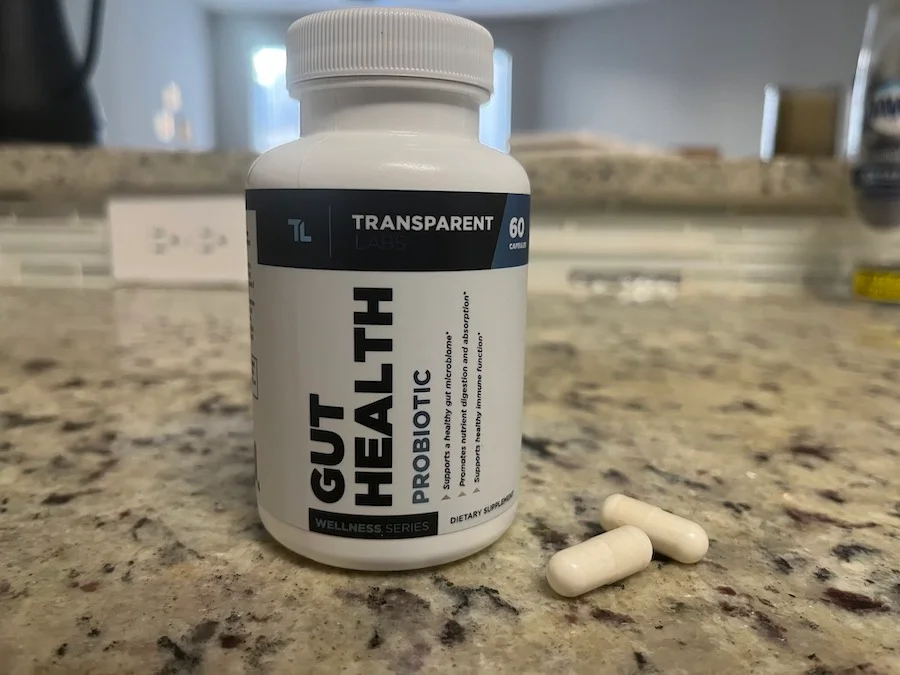
Transparent Labs offers an ultra-potent probiotic with a whopping 100 billion CFUs in each serving, or two capsules. The robust probiotic contains a probiotic blend of 10 probiotic strains of Lactobacilli, Bifidobacteria, and Streptococci to support a healthy gut and overall health.
The probiotic also contains a prebiotic to synergize the probiotic benefit and is protected by a resilient hypromellose capsule. The probiotic is also free of artificial sweeteners that often cause bloat, as well as artificial colorings and preservatives.
Transparent Labs also offers a “Gut Essentials Stack” that includes their Collagen Hydrolysate and Prebiotics Greens, which we also reviewed in our top 10 best greens powders. Not only can powder enhance the beneficial probiotics, but this one is the best-tasting, which can be hard to come by in a greens-based supplement!
Former GGR Performance Editor and expert product tester Anthony O’Reilly tried Transparent Labs Gut Health, and hasn’t noticed any side effects, plus he says the pill is easy to swallow.
| Dose instructions | 2 capsules/day with a full glass of water, preferably on an empty stomach, or as directed by a healthcare professional |
| Servings per container | 30 |
| CFUs | 100 billion CFUs per serving |
| Strain(s) | Lactobacillus acidophilus (LA-14), Lactobacillus rhamnosus (LR-32), Lactobacillus casei (LC-11), Lactobacillus plantarum (LLP-115), Lactobacillus paracasei (LPC-37), Bifidobacterium lactis (BL-04), Lactobacillus salivarius (LS-33), Streptococcus thermophilus (ST-21), Bifidobacterium bifidum (BB-02), Bifidobacterium breve (BB-03) |
| Storage | Not indicated |
| Cost | $45.99/30 servings = $1.53/serving |
| Form | Capsule |
Best Budget Probiotic: Nutricost Probiotic Complex
Good for: Those wanting to invest in their health without sacrificing quality and their hard-earned cash
Best Budget
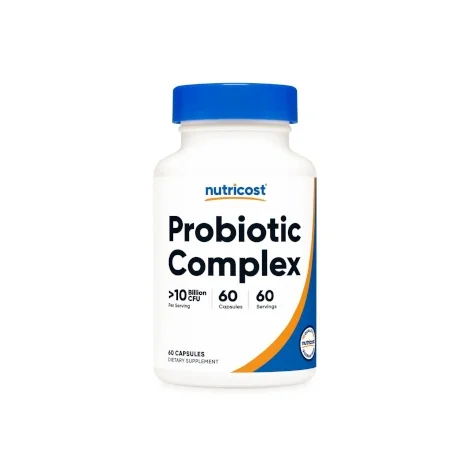
Nutricost Probiotic Complex Capsules
Product Highlights
- Vegetarian probiotic complex capsules
- Listed benefits: Add to the healthy bacteria in your body
Pros & Cons
Pros
- 60-day money-back guarantee
- Non-GMO and gluten-free
- Third-party tested
- Affordable at less than $0.50 per serving
Cons
- Limited reviews
- Only available in 60-count container
Bottom Line
Nutricost Probiotic Complex Capsules contain 10 different probiotics within a vegetarian capsule. They’re available in two dosages, 10 billion and 50 billion CFU. This supplement has very limited customer reviews but they are mostly positive.
We picked Nutricost Probiotic Complex for the best budget option because it’s priced around $0.25 per serving. When GGR expert tester and Managing Editor Amanda Dvorak bought the Nutricost Probiotic Complex, she paid $14.95 for a bottle with 60 servings. We’ve seen the price drop on Amazon to as low as $11.66 for the same 60-serving bottle.
Don’t let this budget-friendly price dissuade you from buying—this probiotic supplement is third-party tested, non-GMO, and gluten-free. For this reason, Nutricost earns a 5-star rating when it comes to third-party testing and label transparency.
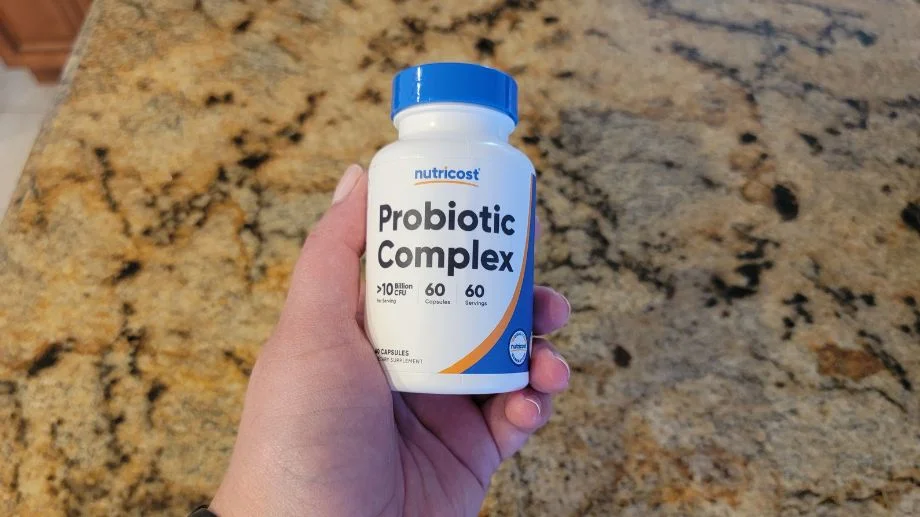
It also delivers 10 billion CFUs per capsule and 10 probiotic cultures. The lineup embodies some of the most commonly used and studied species, including Bifidobacterium and Lactobacillus. It also includes the yeast Saccharomyces. According to the NIH, yeast is commonly used as a probiotic. Having a diverse provision of probiotic strains supports the growth of many types of good bacteria and ultimately a diverse microbiome.
Amanda scored the formation 4 out of 5 stars, noting that she docked a point because she couldn’t find any information about whether the capsules were delayed-released or not. Nutricost also uses a probiotic complex and you don’t know exactly how much of each strain you’re consuming per serving.
As for swallowability, she gives these capsules 4.5 out of 5 stars. She notes you won’t want to leave these on your tongue too long or you may get a slight aftertaste. Otherwise, she didn’t have any trouble swallowing the Nutricost capsules.
| Dose instructions | 1 capsule/day |
| Servings per container | 60 |
| CFUs | 10 billion CFU per serving |
| Strain(s) | Lactobacillus acidophilus, Lactobaciullus plantarum, Lactobacillus rhamnosus, Lactobacillus lactis, Lactobacillus casei, Saccharomyces boulardii, Bifodobacterium longum, Lactobacillus fermentum, Bifodobacterium bifidum, Lactobacillus gasseri |
| Storage | Not indicated |
| Cost | $19.95/60 servings = $0.33 per serving |
| Form | Capsule |
Best Probiotic for Constipation: Onnit Total Gut Health
Good for: Folks who need a little GI assistance
Best for Constipation
Onnit Total Gut Health
Product Highlights
- Gut health dietary supplement
- Includes prebiotics, probiotics, and betaine HCI
- Includes digestive enzymes
- May help digest nutrients
Pros & Cons
Pros
- May support immune system
- Promotes healthy gut flora
- Subscribe and save options
- Vegan-friendly
Cons
- Expensive price per serving
- 7 pills per serving
- Directed to take with largest meal of the day
Bottom Line
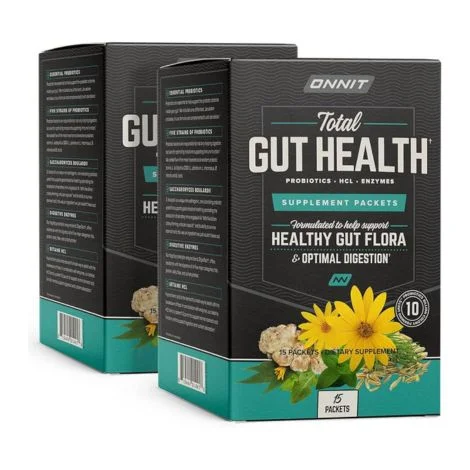
Total Gut Health from Onnit offers a unique blend of probiotics, prebiotics, betaine HCI, and digestive enzymes. The brand claims Total Gut Health is designed to promote a healthy gut microbiome, help digest macronutrients and micronutrients, and support your normal digestive functions.
Best Probiotic for Gut Health: Sports Research Probiotic
Good for: Folks looking for all-around gut health and immune support
Best for Gut Health
Sports Research Daily Probiotics
Product Highlights
- Delayed-release veggie capsule probiotic supplement
- 12 lacto and bifidobacteria probiotic strains
- Listed benefits: replenish good bacteria in the gut and support gut health
- Certified vegan
Pros & Cons
Pros
- Subscribe and save 15%
- Vegan, non-GMO, and gluten-free
- Third-party tested
- Satisfaction guaranteed when purchasing directly from Sports Research
Cons
- Mixed reviews on effectiveness
- Only available in one dosage: 60 billion CFU
- Some customers experienced cramps and bloating
- Refrigeration recommended (not required)
Bottom Line
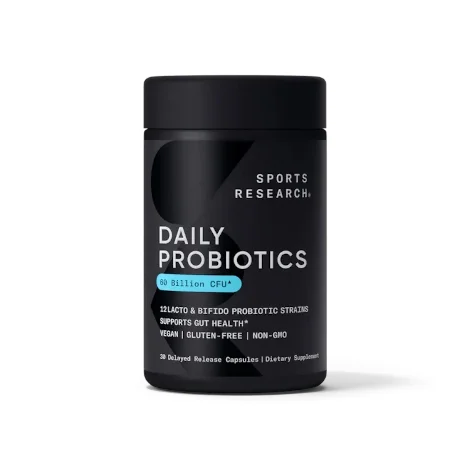
Sports Research Daily Probiotics use a delayed-release veggie capsule to deliver 60 billion CFU of probiotics. There are 12 different probiotic strains. There are mixed reviews on effectiveness. Some customers experience stomach issues such as cramps and bloating. Other customers found the probiotic decreased their stomach issues.
Sports Research Daily Probiotics offers 60 billion CFUs through 12 different strains of active cultures and bacteria, which is an excellent way to replenish and restore gut health.
Each vegan-friendly capsule offers a delayed release. It not only provides healthy active cultures but also 60 milligrams of an inulin fiber blend, which may aid the growth of healthy bacteria in your gut.
The formulation contains a probiotic blend, so we don’t know for sure how much of each strain you’re getting. However, we like seeing it contains both Lactobacillus plantarum and Lactobacillus paracasei. Various research shows these strains may offer immune benefits, including protecting against colds in adults3 and balancing the immune response in kids with celiac autoimmunity4.
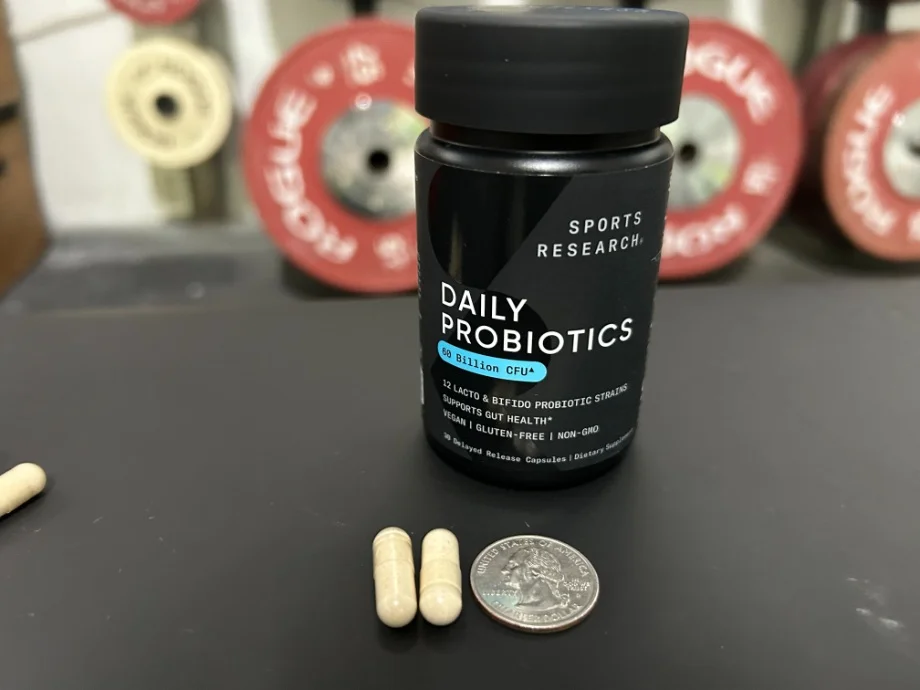
GGR expert tester and weightlifting coach Kate Meier says she didn’t experience any negative side effects after taking Sports Research Daily Probiotics for several weeks. Her experience earns this brand 5 out of 5 stars in this category.
Kate also says these probiotic capsules are easy to swallow. “These are very slim and the serving size is only one pill, which I appreciate,” says Kate. This product earns a 5-star rating when it comes to swallowability.
Sports Research Daily Probiotics Metagenics is vegan, cGMP compliant, and third-party tested.
| Dose instructions | 1 capsule/day with food |
| Servings per container | 30 |
| CFUs | 60 billion CFUs per serving |
| Strain(s) | Lactobacillus plantarum, Lactobacillus lactis subsp. lactis, Bifidobacterium animalis subsp. lactus, Lactobacillus acidophilus, Lactobacillus fermentum, Lactobacillus rhamnosus GG, Lactobacillus casei, Lactobacillus paracasei, Bifidobacterium bifidum, Bifidobacterium breve, Bifidobacterium longum subsp. infantis, Bifidobacterium longum sups. longum |
| Storage | Not indicated |
| Cost | $24.95/30 servings = $0.83 per serving |
| Form | Capsule |
Best Probiotic for Women: Ora Organic Lady Bugs Women’s Probiotic and Prebiotic
Good for: Women looking to take their health to the next level
Best for Women
Ora Organic Lady Bugs Women’s Probiotic and Prebiotic
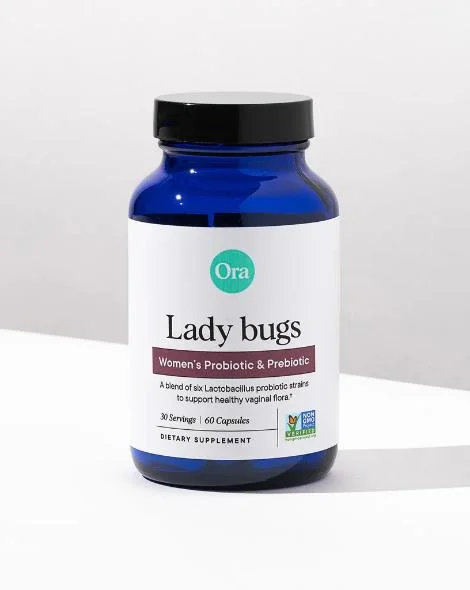
Product Highlights
- 16 billion CFU of 6 research-backed strains
- Designed for vaginal and urinary tract health
- Also contains organic prebiotics
- 30 servings per container
Pros & Cons
Pros
- Research-backed strains
- Third-party tested
- Vegan-friendly
- Gluten- and dairy-free
- Non-GMO
- Subscribe and save options
Cons
- Recommended to take within 30 minutes of mealtime
- Mixed reviews on supplement’s effectiveness
Bottom Line
Ora Organics Lady Bugs is a probiotic with prebiotics for women, specifically targeting vaginal and urinary tract health. With six research-backed strains, the probiotic is designed to reduce the presence of inflammatory-signaling molecules, reduce the risk of urinary tract infections, and support healing in certain skin-type cells found in the vagina. Ora recommends taking a serving within 30 minutes of a meal.
Best Probiotic for Men: Biotics 8
Good for: Men hunting for a robust probiotic with hearty benefits
Best for Men
Bauer Nutrition Biotics 8 Probiotic
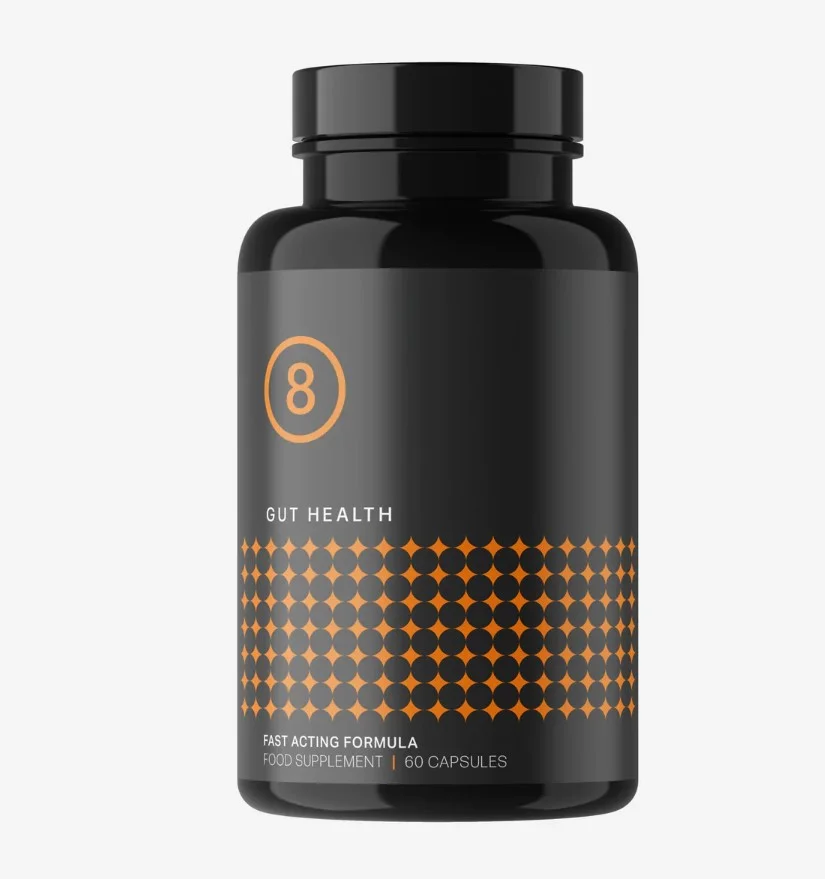
Product Highlights
- Men’s-specific probiotic for gut health
- Made to help strengthen your immune system
- Built in digestive enzymes
- Claimed to support gut health, mood, digestion, and immunity
- 3 capsules per day
Pros & Cons
Pros
- Made to be taken long-term
- In capsule form, so you don’t get the bad taste that some powders possess
- Also contains vitamin D as well as the probiotic blend
- Can save money by purchasing in bulk
- No refrigeration required
Cons
- Expensive for the amount of capsules
- Limited reviews of the product
- Not vegan- or vegetarian-friendly
- Supposed to take 3 capsules a day, which is a lot
Bottom Line
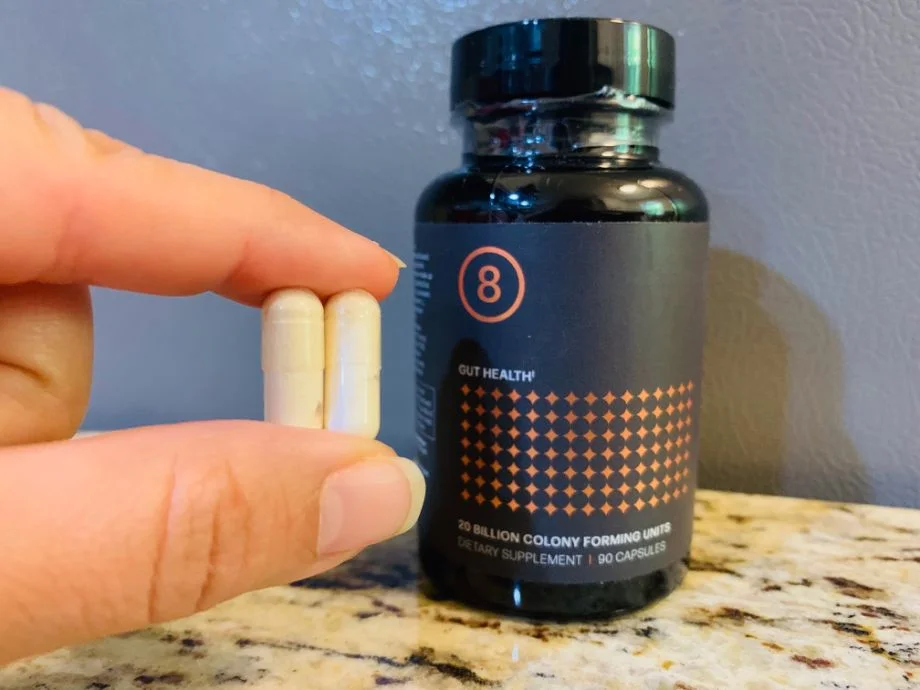
These capsules contain 10 strains of probiotics with a guarantee of 20 billion CFUs per serving (per three capsules).
Biotics 8 is a probiotic formulated with men’s health in mind. The supplement combines probiotics, prebiotics, digestive enzymes, fiber, and vitamin D and claims to support men’s overall gut health and well-being.
We’ve already chatted about the benefits of combining probiotics and prebiotics, but what’s the scoop on digestive enzymes? First off, the digestive enzymes amylase, lipase, and protease naturally occur in the body to help break down carbohydrates, fats, and proteins, respectively.
RELATED: Best Protein Shakes
A study published in Current Drug Metabolism12 proposes enzyme supplementation therapy may play an important role in several digestive and malabsorption disorders. However, discussing any worries about digestive issues should ideally be handled with your health expert.
Vitamin D is also a nice touch to the probiotic supplement, as ongoing research shows combining the two might just be a power duo. In fact, a 2020 systematic review published in Nutrients13 suggests that co-supplementation of vitamin D and probiotics may decrease disease severity and use of healthcare, as well as support improvements in mental health, insulin sensitivity, dyslipidemia, inflammation, and antioxidative capacity.
| Dose instructions | 2 capsules/day |
| Servings per container | 30 |
| CFUs | 16 billion CFUs per serving |
| Strain(s) | Lactobacillus acidophilus, Lactobacillus casei, Lactobacillus paracasei, Lactobacillus rhamnosus, Lactobacillus plantarum, Lactobacillus fermentum, Bifidobacterium longum, Bifidobacterium bifidum, Bifidobacterium breve, Saccharomyces Boulardii |
| Storage | Not indicated |
| Cost | $2.17/serving in a 30-serving container |
| Form | Capsule |
Best Probiotic for IBS: Culturelle Digestive Daily Probiotic
Good for: Those looking to prioritize their daily digestive health with ease
Best for IBS
Culturelle Digestive Daily Probiotic
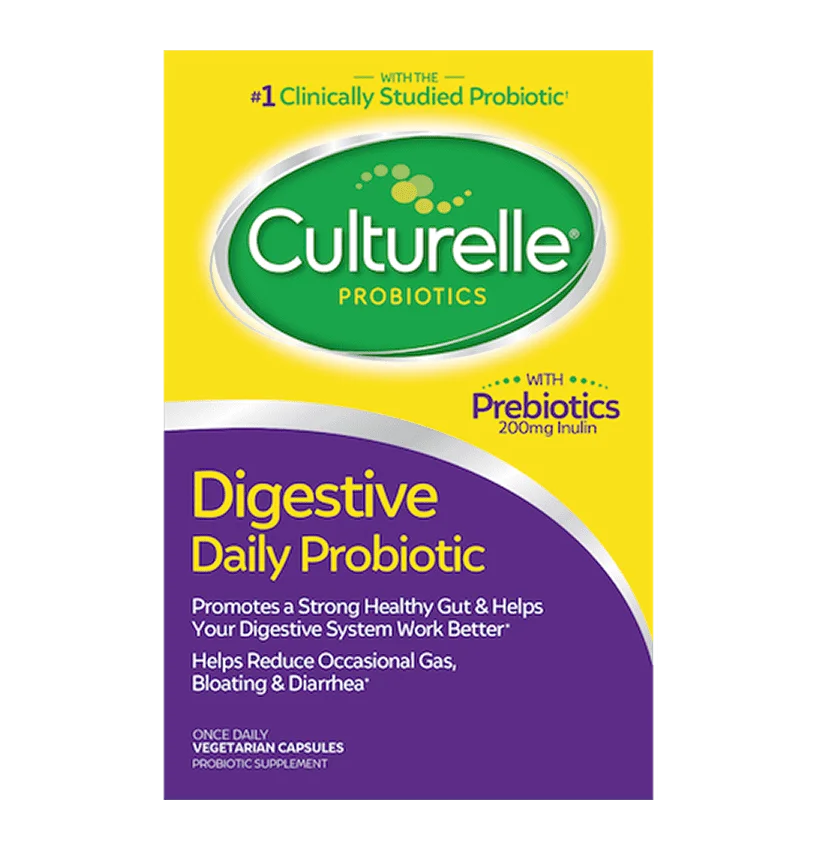
Product Highlights
- Helps reduce occasional bloating and diarrhea
- Minimizes digestive discomfort associated with travel
- 10 billion CFUs per dose
- Made with the most-studied probiotic strain
- Individually wrapped for protection of live cultures
Pros & Cons
Pros
- Vegetarian
- Free from common allergies
- Individually sealed to protect viability
- No need for refrigeration
- Available in 2 package sizes
Cons
- Pricey
- Not meant for kids under 12 years old
Bottom Line
If you are looking for a basic daily probiotic Culturelle Digestive Daily is a great option to help occasional stomach discomfort.
Culturelle is a vegetarian and vegan-friendly, daily-dose supplement containing 10 billion colony-forming units (CFUs), which refers to the estimated number of live and active organisms in a serving. The National Institutes of Health (NIH) Office of Dietary Supplements (ODS) suggests many probiotic supplements contain 1 to 10 billion CFU per dose, but some products contain up to 50 billion CFU or more.
The Culturelle capsule contains a single probiotic strain known as Lactobacillus rhamnosus GG, which is claimed to be the No. 1 most clinically studied probiotic strain. A study published in Microbial Cell Factories11 agrees it’s one of the most widely used, further suggesting the strain may help prevent and treat gastrointestinal (GI) infections and diarrhea and support immunity. This also makes the Culturelle Digestive Daily Probiotic our pick for the best probiotic supplement for IBS, or irritable bowel syndrome.
Along with the probiotic strain, the prebiotic inulin is also added to the capsule. While not a type of bacterium, prebiotics are non-digestible food components/fibers that essentially act as food to probiotics and nourish their growth.
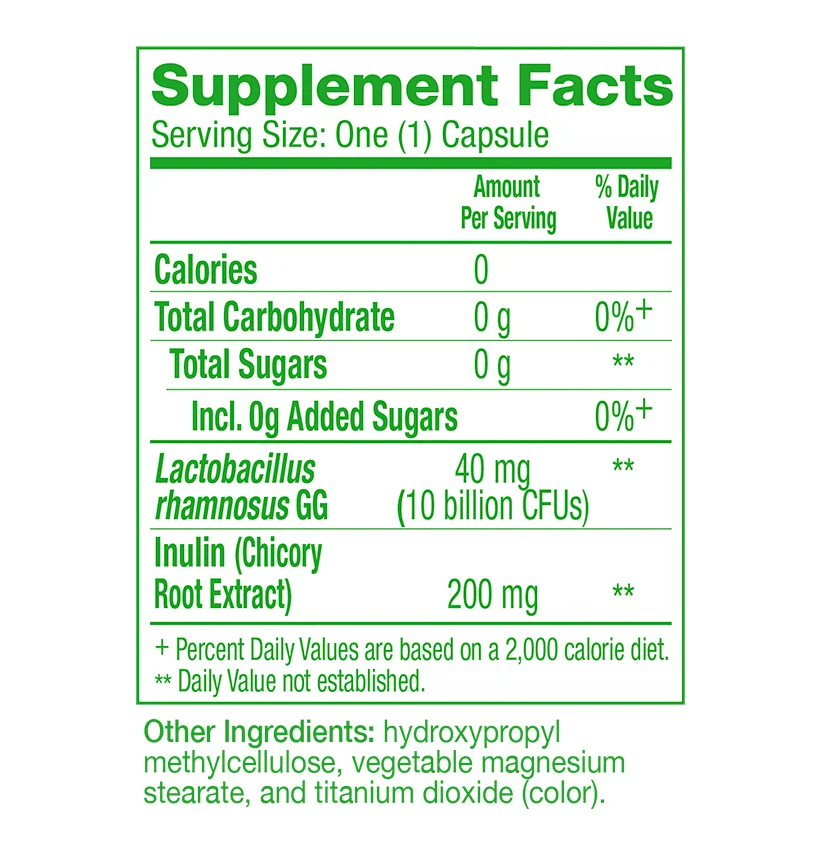
To reap the full probiotic benefit, the good bacteria must stay alive and active before and while being consumed. Each capsule is individually sealed to preserve the probiotic’s integrity, in which Culturelle guarantees you will get the full amount of CFUs listed on the label.
Culturelle products are also certified through NSF, a third-party certification organization, meaning the probiotic has been tested and reviewed under specific safety and quality standards. Not all supplements undergo testing, so we always encourage you to look for the NSF seal of approval on the product of interest.
| Dose instructions | 1 capsule/day |
| Servings per container | 30 |
| CFUs | 10 billion CFUs/capsule |
| Strain(s) | Lactobacillus rhamnosus GG |
| Storage | In a dry, cool place |
| Cost | $0.59/capsule in a 30-capsule container |
| Form | Capsule |
Best Vegan Probiotic: HUM Nutrition Gut Instinct
Good for: Those extra cognizant of ingredients
Best Vegan
Hum Nutrition Gut Instinct Probiotic
Product Highlights
- 10 different strains of bacteria
- Promotes a balanced gut
- Boosts immunity
- Promotes healthy gut diversity
Pros & Cons
Pros
- Contains no allergens
- Vegan
- Clean ingredients
- 1 serving is 1 capsule
- Save by subscribing
- 10 probiotic strains
Cons
- Should be taken on an empty stomach
- Not available in more than a one-month supply
Bottom Line
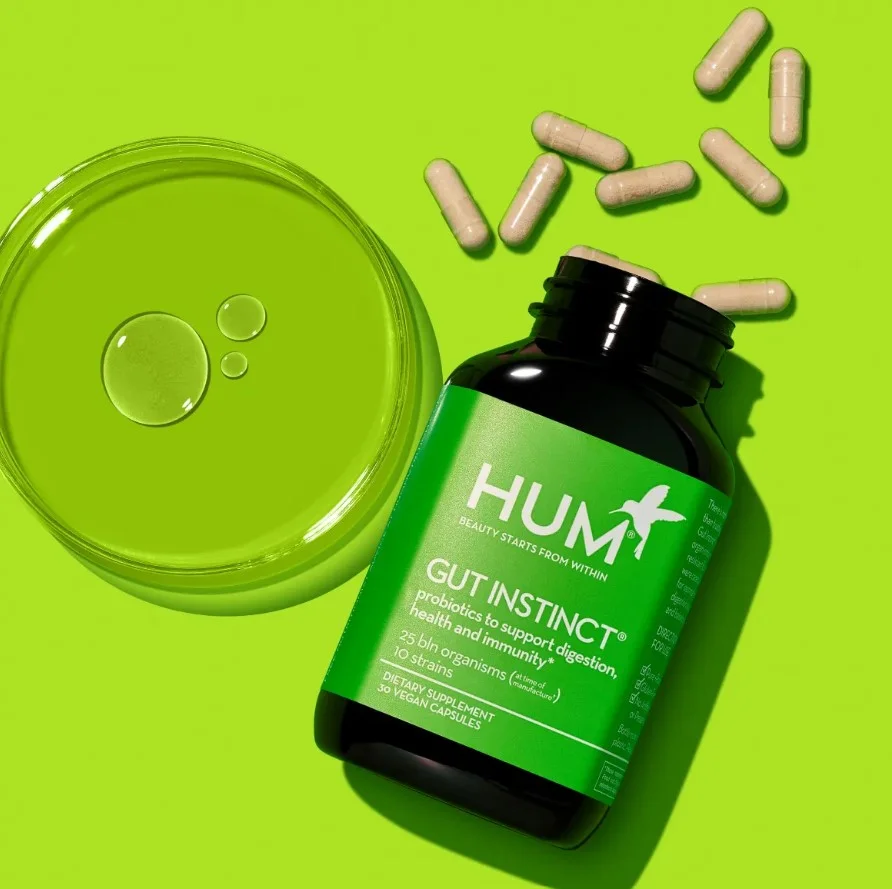
Hum Gut Instinct Probiotic is a great choice if you are looking for a vegan probiotic made with clean ingredients and is free of allergens.
Best Liquid Probiotic: Mary Ruth’s Organic Liquid Probiotic
Good for: Health-conscious consumers who think capsules are a tough pill to swallow
Best Liquid Probiotics
Mary Ruth Organics Organic Liquid Probiotic
Product Highlights
- Liquid probiotic drops
- Unflavored
- Made with 12 different probiotic strains
- USDA-certified
- Available in 4-oz and 2-oz bottles
Pros & Cons
Pros
- Vegan formula
- Made in a GMP-certified facility
- Nut-free, gluten-free, dairy-free, and more
- Has more than 1,000 5-star reviews
- 12 probiotic strains
- Option to subscribe and save
Cons
- Some people may not like the liquid form
- Product has to be refrigerated
- Does not specify the amount of each probiotic strain
Bottom Line
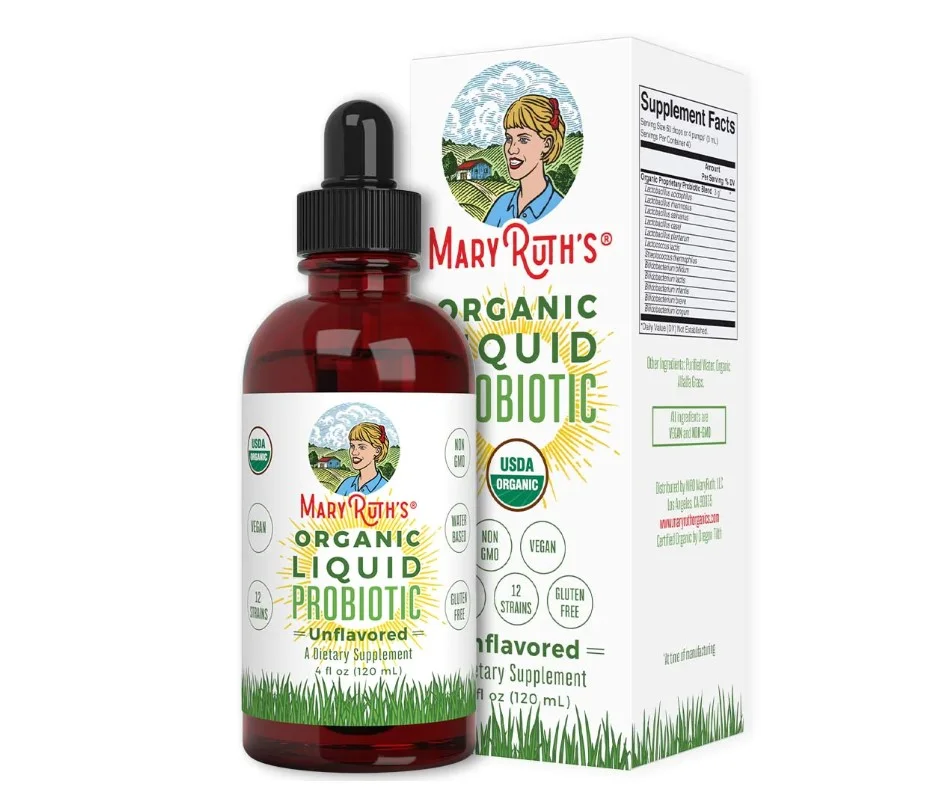
The Mary Ruth Organics Organic Liquid Probiotic is made with 12 different strains of probiotics in a GMP facility and does not contain dairy, nuts, gluten, soy and more.
Best Probiotic Yogurt: FAGE Total 0% Milkfat Greek Yogurt
Good for: Folks who need just a little probiotic help from their regular nutrition
Best Yogurt
FAGE Total 0% Milkfat Plain Greek Yogurt
Product Highlights
- 0% milkfat greek yogurt
- Features live and active cultures
- 16 grams of protein for plain and vanilla version
- Also available in 2% and 5% milkfat
Pros & Cons
Pros
- 100% natural ingredients
- Non GMO Project Verified, gluten free, Kosher, and vegetarian friendly
- Sold in a variety of grocery chains
Cons
- Mixed reviews on texture – some found it too similar to sour cream
- Flavored versions have 3 g less protein than plain
Bottom Line
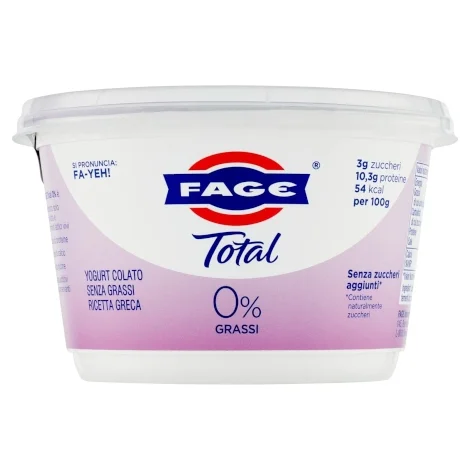
Fage Total 0% MIlkfat Yogurt has 16 grams of protein per serving in the plain and vanilla flavors and 13 grams in the flavored varieties. This yogurt has largely positive reviews, however, some customers found the yogurt too thick and found the texture too similar to sour cream.
You may not think of Greek yogurt as an option for a probiotics supplement, but if you want to take a food-first approach, FAGE Total 0% plain Greek yogurt is an excellent place to start.
Each serving contains five strains of probiotics, including Lactobacillus Bulgaricus, Streptococcus Thermophilus, Lactobacillus Acidophilus, Bifidus, and Lactobacillus casei. This blend offers strains to help absorb nutrients and reduce gastrointestinal stress from diarrhea or IBS14.

The downside to eating Greek yogurt is that swallowing one or two pills is a lot easier in comparison. Plain Greek yogurt is not known for its stand-alone taste, earning 3 out of 5 stars in the taste department. Plain yogurt is something our testers prefer to eat combined with fruit and honey or made into savory dips and dressings.
While our testers haven’t had any negative side effects, it’s worth noting that this is not the right option for you if you’re lactose intolerant or eat a dairy-free diet.
| Dose instructions | N/A |
| Servings per container | 1 |
| CFUs | N/A |
| Strain(s) | Lactobacillus Bulgaricus, Streptococcus Thermophilus, Lactobacillus Acidophilus, Bifidus, Lactobacillus Casei |
| Storage | Keep refrigerated |
| Cost | About $1.40 per serving |
| Form | Yogurt |
Best Probiotic for Kids: Nurished Kids Mighty Milk
Good for: Children who need an all-in-one supplement for probiotics, protein, and more
Best for Kids
Nurished Kids
Product Highlights
- Whey protein powder for kids
- Suitable for ages 2 and up
- 9 g of protein per serving
- Contains vitamins and minerals
Pros & Cons
Pros
- Sweetened with monk fruit extract
- Contains 2 billion probiotics
- Contains organic spinach
Cons
- Only two flavors
- Low in calories
Bottom Line
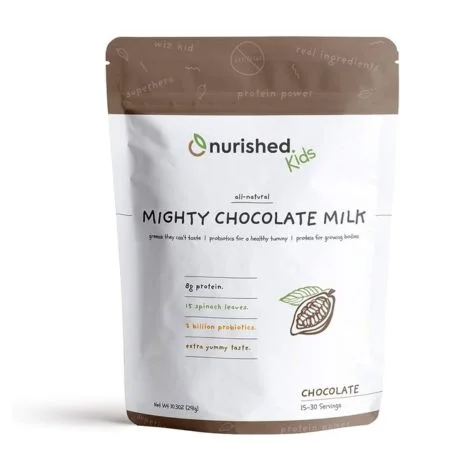
Nurished Kids is a protein powder formulated for children as young as 2 years of age. Both flavors offer 9 grams of protein per serving and around 60 to 70 calories.
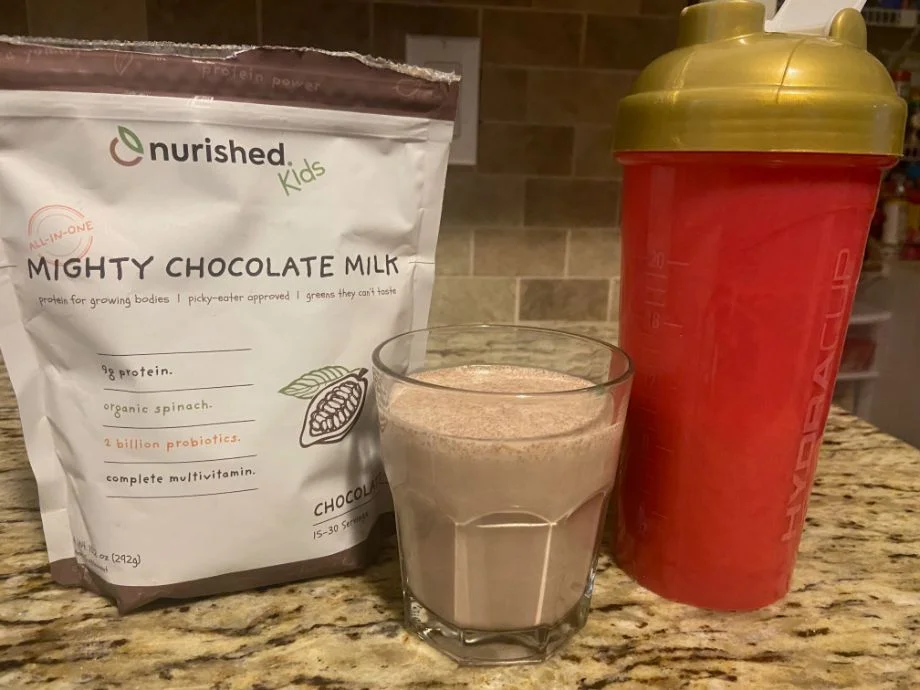
Nurished Kids Mighty Milk isn’t your typical probiotic supplement. On top of containing digestive enzymes and a probiotic blend for gut health, Mighty Milk has 4 grams per scoop (9 grams for two scoops), greens to ensure they’re getting enough vitamins and minerals, and only contains 2 grams of sugar. We gave it a 4 out of 5 on formulation.
Plus, it’s easier to convince children to drink some chocolate milk than to take a probiotic capsule.
“Both of my children tried Nurished and they thought it was ‘OK,’” says Kate Meier, a certified personal trainer and mother of two. “They also rarely have anything with sugar alcohol/artificial sweetener, which may have also thrown them. I personally tasted this, and I thought it was great.” The Meier family agreed on a 4 out of 5 on taste.
Regarding the probiotic blend, Nurished Kids uses two strains: Bacillus Subtilis HU58 and Bacillus Coagulans SC205. Most of the studies conducted on the first probiotic strain have only been done on animals, man-made replicas of the human intestinal tract, or used very few test subjects but the literature is overall positive.
“In clinical trials, treatment with probiotic Bacillus Subtilis has improved acute diarrhea, reduced the incidence of antibiotic-associated diarrhea, reduced bloating, pain, and discomfort among patients with irritable bowel syndrome, and shown some immune effects in healthy volunteers,” researchers noted in one study21 on the strain.
Similar studies noted the same effects for Bacillus Coagulans SC205.
| Dose instructions | Take 1 or 2 scoops |
| Servings per container | 15 or 30 |
| CFUs | 1 billion CFU (one scoop) 2 billion CFU (two scoops) |
| Strain(s) | Bacillus Subtilis HU58 and Bacillus Coagulans SC205 |
| Storage | Cool, dry place |
| Cost | $0.84 (30 servings) $1.68 (15 servings) |
| Form | Protein powder |
Best Probiotic for Metabolic Health: Pendulum Metabolic Daily
Good for: Improved metabolic health through a balanced gut microbiome
Best for Metabolic Health
Pendulum Metabolic Daily
Product Highlights
- Contains a total of 300 million AFUs of probiotics
- 5 clinically studied strains
- 30 servings per container
- Should be refrigerated for optimal results
Pros & Cons
Pros
- May help improve metabolism
- Non-GMO
- Clinically studied strains
- Third-party tested (but lab isn't disclosed)
Cons
- More expensive than competitors
- May notice digestive issues when first taking it
- Recommended to refrigerate for best results
Bottom Line
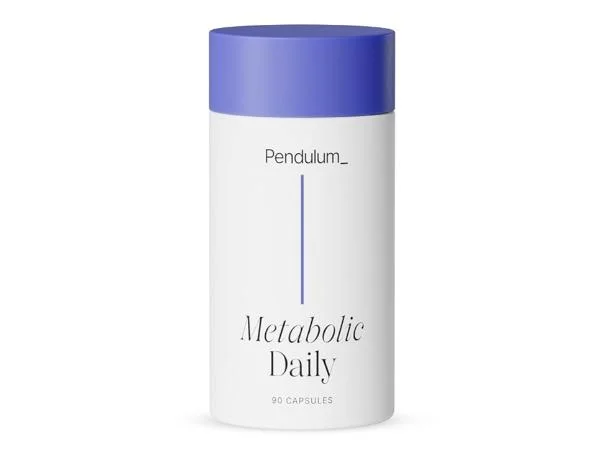
Pendulum Metabolic Daily is a daily probiotic supplement made to help improve gut health. Additionally, it's formulated to help with metabolic health and providing more energy throughout the day.
For people looking to improve their gut health along with potentially receiving a bit more energy, there’s Pendulum Metabolic Daily. The five probiotic strains in each capsule are geared toward improving gut health, metabolism, daily energy, and your immune system.
Among the bacteria is a rather lesser-known strain called Akkermansia muciniphila. While research22 is just beginning to bud with this naturally occurring strain, studies are showing promising results in relation to its potential benefits for gut health, insulin resistance, and heart health.
Registered dietitian Destini Moody adds, “Studies show people with obesity and certain chronic conditions have lower levels of Akkermansia present, so the benefits do look promising for those struggling with metabolic issues.” She rates the formulation at a 3 out of 5, though, only because these promising results may not showcase themselves in individuals without these chronic conditions.
Metabolic Daily claims these strains can help convert fiber more readily into your system, adding fuel and energy to your daily stores. These bacterial strains also help produce butyrate23—a fatty acid that encourages the production of glucagon-like peptide 1 (GLP-1) in the system, which aids with metabolism. Despite the natural production of GLP-1, Pendulum—and myself—stress that Metabolic Daily isn’t a weight loss supplement, but rather a probiotic that can enhance metabolism and boost energy.
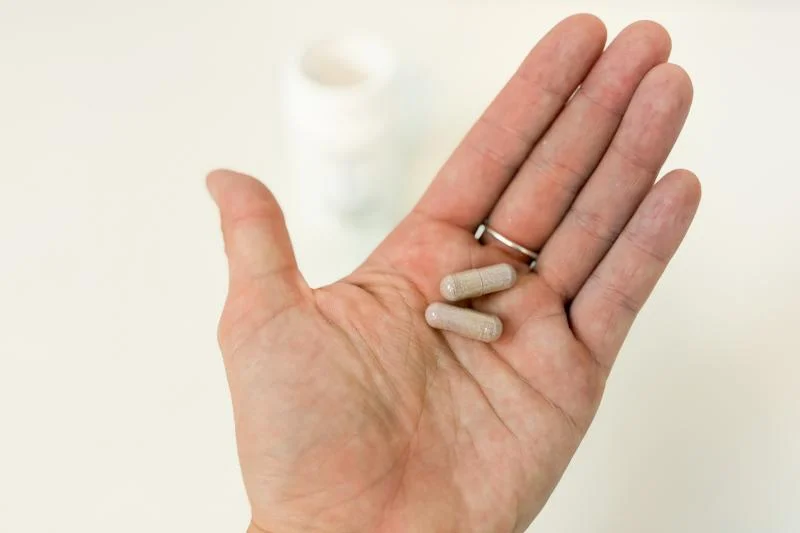
According to our product tester, GGR Managing Editor and certified personal trainer Amanda Dvorak, the capsules are easy enough to handle, despite their size being comparable to a quarter. She rates the swallowability at a respectable 4 out of 5.
Since it’s an unflavored capsule, you shouldn’t expect much in the way of taste, unless you keep it on your tongue for too long. Amanda gave the capsules a 4.5 out of 5 for taste, but noted, “I do remember smelling a faint medicinal aroma when I first opened the bottle. It wasn’t strong or even off-putting, but it’s a good call-out if you are sensitive to smells.”
At $2.30 per serving for a one-time purchase, Metabolic Daily is a pricier probiotic than others we’ve tested. Pendulum does offer 30- or 90-day subscriptions that drop the cost per serving down to $1.63 and $1.47, respectively. This is still more costly than other competitors, though, so it earns a 2 out of 5 for its cost.
| Dose instructions | 1 capsule daily with food |
| Servings per container | 30 |
| CFUs | 300 million AFUs per serving |
| Strain(s) | Clostridium butyricum, Clostridium beijerinckii, Bifidobacterium infantis, Anaerobutyricum hallii, Akkermansia muciniphila |
| Storage | Refrigerate for optimal quality |
| Cost | $69/30 servings = $2.30 per serving |
| Form | Capsule |
Other Probiotics We Tried and Researched
There are hundreds of probiotics on the market, so it’d be quite the feat—with lots of page scrolling—to cover all the great products out there. So just because a probiotic didn’t make our list, doesn’t mean we don’t approve of them.
Other probiotic products we researched (and trust) include:
- Align Probiotic Extra Strength
- Nordic Natural Nordic Flora Probiotic Daily
- NOW Probiotic-10™ 25 Billion Veg Capsules
- THORNE FloraSport 20B®
How We Picked and Tested the Best Probiotic
Our GGR testers might have different fitness goals but we share one common goal when it comes to supplement testing: To find and elect high-quality products. Since “high-quality” is a fairly subjective term, we picked and tested the best probiotics mostly based on the brand’s own product testing and reputation.
Our testers also appreciate simple and fully packaged products with all the bells and whistles, so we made sure to call out any special features of the chosen product. Also, because probiotics are not a “one-size-fits-all,” we made sure to include a variety of options to capture various needs.
Product Testing
Just as we honestly test products, we often only trust other companies that test out their own products. Testing can mostly be broken down into two categories: third-party testing and ingredient testing.
Third-Party Testing
While the Food and Drug Administration (FDA) regulates both finished dietary supplement products and dietary ingredients, they are not authorized to approve dietary supplements for safety and effectiveness before they are marketed according to the NIH. What this means is that supplements are not tightly regulated and just about any manufacturer can introduce products they believe to be healthful to the masses.
A lack of regulation can be harmful, but third-party testing can help ease a consumer’s mind when choosing a product. This is why we aim to select probiotics that have been third-party tested, meaning the product has been carefully reviewed under tight safety, quality, and performance standards.
Ingredient Testing
From the probiotic’s strain-specific function to how well they withstand harsh conditions, how probiotics function and survive in and outside of the body is both delicate and complex. That said, we’re continuously scouting brands that test their product and justify their rhyme and reason for ingredient selection.
Ritual is a great example of this, as they are diligent about product testing and hyper-transparent when it comes to disclosing their ingredients. Even if the study was self-funded, and may be sprinkled with a bit of bias, it does prove just how much they respect their products and consumers.
Other brands are also proud to show off their ingredients, though you can also play “supplement detective” if transparency is as clear as mud. To channel your inner Inspector Gadget, we recommend scouting out the ‘Ingredients’ label on the product itself or its packaging. A probiotic should obviously contain probiotics but it may also contain pre- and postbiotics and other ingredients that might not be so familiar.
In the face of unfamiliarity, look up the ingredient using a quick Google search and likewise review if the research supports the probiotic strain. For expert guidance, consult with your healthcare team.
Brand Reputation
In addition to reviewing testing protocols, it’s important to investigate the reputation of the brand. How consumers determine and perceive reputation can vary, although aspects we consider include:
- Product and ingredient testing, as explained above
- Whether or not they offer return policies and/or money-back guarantees
- Accessibility to customer service and contact forms
- Receptive to customer feedback
- Consumer and customer reviews featured on their webpage, as well as on other sites like Amazon that also sell their products
Overall, reputation standards are at the consumer’s discretion but we encourage you to do your due diligence, especially when it comes to supplements that are not tightly regulated.
Probiotics Vs Prebiotics
Both probiotics and prebiotics are intended to help cultivate a healthy guy microbiome, but they still differ in how they help.
Probiotics in food and supplements contain live microorganisms that help add good bacteria to your existing microbiome. On the other hand, prebiotics are foods used as nutrients and food for the microflora in your gut. One adds to your existing microflora, while the other helps feed and cultivate your existing microflora.
In foods, you can find probiotics in foods like yogurt and fermented foods like sauerkraut. Prebiotics are typically in high-fiber foods, such as whole grains, greens and veggies, bananas, onions, garlic, and more.
Benefits of Taking Probiotic Supplements
We’ve teased the health benefits of probiotics, but now we need to seal the deal. Let’s explore how a probiotic could improve your gut, lower chronic disease risks, and boost your overall health for the better.
Balance a Healthy Gut
It’s nearly impossible to chat about probiotics without bringing up gut health and the gut microbiome15, a collection of bacteria and other microorganisms that reside in the gastrointestinal tract. The gut microbiome houses both harmful and beneficial gut bacteria and in a generally healthy person, the bacteria live together in harmony.
When the bacteria is altered—also known as dysbiosis—chronic gastrointestinal diseases, neurodevelopmental disorders, and other health conditions may arise. Using a probiotic to rebalance bacteria can help the gut become happy and healthy once again.
A 2018 meta-analysis16 further suggests healthy adults who use probiotic supplementation can improve gut microbiota. Improvements in gut microbiota may, in turn, improve immunity, bowel patterns, and other positive health benefits.
Lower Risks and Symptoms of Gastrointestinal Diseases
Gastrointestinal diseases affect the GI tract, or any area between the mouth and anus. Disorders of the digestive system can be acute, like acute diarrhea and food poisoning, or chronic, such as chronic constipation and inflammatory bowel disease.
Probiotics may lower the risks of GI diseases and ease symptoms of various digestive conditions. In research we touched on earlier from Journal of Bacteriology and Infectious Diseases11 studies show several probiotic strains to be effective in reducing symptoms and risks of acute and antibiotic-associated diarrhea, irritable bowel syndrome (IBS), and colon cancer, just to name a few.
A 2019 meta-analysis17 shows the potential beneficial roles of probiotics and synbiotics for acute diarrhea in children.
Benefit Other Body Systems
While probiotics are mostly known for their gut-supporting roles, they might actually benefit the entire body, including immune function. While probiotics will not treat any medical conditions, the gut microbiome plays a critical part in the upkeep of human health and research shows probiotics may also provide the following health benefits14:
- Stabilizes the immune system and treats allergies
- Augments blood pressure and cholesterol levels
- Protects against vaginal and urinary tract infections
- Supports oral health such as defending from dental caries and halitosis (the medical, and perhaps polite, term for bad breath)
- Improves central nervous system functions and psychiatric disorder-related behaviors like anxiety, depression, autism spectrum disorder (ASD), obsessive-compulsive disorder, and memory abilities based on a systematic review18
- Assists in weight loss and reducing body weight according to a meta-analysis in Nutrients19
Probiotics are also helpful for producing and increasing the availability of vitamins, which offer their own unique benefits. Vitamin deficiencies can cause countless symptoms, like fatigue, dry skin, poor wound healing, and mood changes; ensuring the body gets enough of these micronutrients can counter these risks.
Offer Convenient “Insurance”
Here’s the thing about supplements—they are meant to supplement your diet and not take its place. Just like the best green powders and creatine products, you should first focus on balancing your diet with nutrient-dense foods, then fill in the gaps with a supplement.
Specific to the use of probiotics, most dietitians and nutrition experts agree you should aim to get probiotics from food sources—like yogurt, kimchi, sauerkraut, and other fermented foods—then consider a supplement. Also specific to probiotic supplements, and unlike most probiotic foods requiring refrigeration, they are often shelf-stable for your convenience.
How to Choose the Best Probiotic Supplement
First and foremost, probiotics are mostly safe for a generally healthy person. However, we always encourage consumers to reach out to their doctor, a dietitian, or another healthcare expert if interested in taking a probiotic supplement—or any health supplement for that matter.
A healthcare professional can ultimately guide you to a safe and reputable product to benefit you the most. You can also lean on these expert-guided tips to choose the best probiotic for you. We used our GGR supplement testing methodology to find the best probiotic supplement for you.
Analyze the Product Packaging
While it’s what is on the inside that matters most, specifically which probiotic strains are used, you should also evaluate how the product is packaged and labeled. Things to look out for include:
- Third-party certifications to help validate the probiotic’s safety, purity, and quality
- Expiration dates, especially because probiotics are live bacteria
- Instructions related to proper dosing and storing
Probiotic Strains Matched to Your Needs
If you want to get the absolute most from your probiotic, it’s worth your while to consider a more targeted treatment depending on your unique needs. This is because strong evidence20 shows the efficacy of probiotics is both strain-specific and disease-specific.
For instance, Lactobacillus acidophilus can support a reduction in irritable bowel syndrome symptoms, while Lactobacillus rhamnosus GG could help reduce blood pressure.15 Of course, this isn’t to say probiotic strains can only be used for one condition, but it does help prove different strains have different roles.
Overall, identifying your health goal(s)—whether it be easing IBS symptoms or lowering blood pressure—can narrow in on the right strains of probiotics for you.
Assess Your Dietary Needs and Preferences
It’s wise to choose a probiotic that suits your dietary needs, especially if managing a food allergy, sensitivity, and/or intolerance. Luckily, many diet-specific probiotics are available, such as gluten-free, dairy-free, and soy-free options.
Even if not treating a particular health condition, everyone has their own set of dietary preferences and standards. The good news is that we tested and recommended probiotics that suit just about any diet desire, including vegan-friendly and non-GMO options.
Probiotics are also being formulated with other functional ingredients and nutrients—for example, the vitamin D in Biotics 8. Some consumers may like the combo while others might not—once again stressing that probiotics are not one-size-fits-all.
Consider Convenience and Accessibility
While the ingredients of the probiotic do matter, the beneficial bacteria are not so beneficial if they aren’t taken consistently. So, we also recommend basing your probiotic selection on how consistently you can follow the indicated instructions.
For instance, some of the best probiotic supplements listed above are shelf-stable while others require refrigeration. So if you stray away from our list, investigate if the supplement requires refrigeration or other specific storage instructions.
If “cool” with keeping your probiotics refrigerated, do you plan on traveling with them? Because probiotics can help ease travelers’ diarrhea, traveling without them is like hopping on the airplane without your headphones—a pesky annoyance you likely won’t forget about. If you plan to travel near and far with them, consider how they’ll stay appropriately chilled.
RELATED: Travel Workouts
The dosing of probiotics also varies. Some brands recommend taking their product once daily, while others might encourage taking it multiple times a day. If remembering to take more than one serving per day seems like a hassle, it might be best to choose a product you only need to take once a day.
When To Take Probiotics
Because of the amount of different probiotics on the market, there’s no one way or time to take probiotics. Some probiotics recommend taking them before a meal, while others say you’ll get the best results on an empty stomach. There’s no real better time to take probiotics either; day or night can work, depending on your schedule.
Another factor is the type of strains in your supplement. Some probiotics are acid-resistant, but not all. Stomach acid can become more active immediately after a meal, which is why it’s recommended to take before a meal or on an empty stomach.
The biggest thing about probiotics is consistency; most probiotics will give you the best results if taken on a daily basis. To keep consistent, plan out the best time during your day to take a probiotic supplement, whether it’s first thing in the morning, or later in the evening.
Potential Side Effects of Probiotics
The number of probiotics currently on the market is abundant—and the variety will likely increase as research and interest rise in the future. That said, it’s important to approach probiotics with flexibility and allow for trial and error.
While the time it takes to notice any benefits often depends on the intended use of the probiotic, most supplements encourage allowing at least one week as an introductory period. During this time, you might experience side effects such as cramping and bloating.
It’s wise to follow up with a healthcare expert to evaluate changes and plan modifications together. However, if you’re simply experimenting without major underlying health conditions, you have countless other probiotics to try out.
Best Probiotics: FAQs
What is the most effective form of probiotic?
Generally speaking, the most effective probiotic is one that provides some of the most research-backed strains like Lactobacillus acidophilus. However, because certain bacterial strains offer certain benefits, the probiotic that best targets your unique need/goal would be more effective than another strain intended for a different purpose.
What is a trusted brand for probiotics?
All the above brands—like Seed, Legion, and Ritual—are brands that haven’t given us a reason not to trust them. If investigating other brands, we recommend looking for those that have been third-party tested. You can also probe their return policies, customer service access, and customer reviews for better judgment.
Is it OK to take a probiotic supplement every day?
The answer, as always, is it depends. If you have a digestive disorder or a condition such as irritable bowel syndrome, taking a daily probiotic supplement may be necessary to alleviate symptoms. There’s no danger to taking probiotic supplements in the absence of any symptoms, but it’s always best to consult with a medical expert before taking any supplements.
Is there a downside to taking probiotics?
Probiotics have widely been regarded as safe to use for healthy individuals who don’t have severe illness or other health problems. However, if you are dealing with any health issues, it’s best to consult your doctor first. Possible side effects of taking probiotics can range from gastrointestinal issues from new probiotics being introduced into your system, to infection and allergic reactions.
Some probiotics have been reported to contain different microorganisms than those listed in their ingredients. In those cases, it’s best to look for supplements that are transparent and have been third-party tested for purity.
Is it better to take probiotics in the morning or at night?
The timing of taking probiotics is less important than consistency, so whichever time you choose, it’s ideal to take it at the same time each day. Many probiotics suggest being taken before a meal, so many people will take their probiotic in the morning just before breakfast (although you could do this at dinnertime as well).
References
- Swanson KS, Gibson GR, Hutkins R, et al. The International Scientific Association for Probiotics and Prebiotics (ISAPP) consensus statement on the definition and scope of synbiotics. Nat Rev Gastroenterol Hepatol. 2020;17(11):687-701. doi:10.1038/s41575-020-0344-2
- Liu H, Wang J, He T, et al. Butyrate: A Double-Edged Sword for Health?. Adv Nutr. 2018;9(1):21-29. doi:10.1093/advances/nmx009
- Ahrén IL, Hillman M, Nordström EA, Larsson N, Niskanen TM. Fewer Community-Acquired Colds with Daily Consumption of Lactiplantibacillus plantarum HEAL9 and Lacticaseibacillus paracasei 8700:2. A Randomized, Placebo-Controlled Clinical Trial. J Nutr. 2021;151(1):214-222. doi:10.1093/jn/nxaa353
- Håkansson Å, Andrén Aronsson C, Brundin C, Oscarsson E, Molin G, Agardh D. Effects of Lactobacillus plantarum and Lactobacillus paracasei on the Peripheral Immune Response in Children with Celiac Disease Autoimmunity: A Randomized, Double-Blind, Placebo-Controlled Clinical Trial. Nutrients. 2019;11(8):1925. doi:10.3390/nu11081925
- Guilliams TG, Drake LE. Meal-Time Supplementation with Betaine HCl for Functional Hypochlorhydria: What is the Evidence?. Integr Med (Encinitas). 2020;19(1):32-36.
- Mu Q, Tavella VJ, Luo XM. Role of Lactobacillus reuteri in Human Health and Diseases. Front Microbiol. 2018;9:757. Published 2018 Apr 19. doi:10.3389/fmicb.2018.00757
- Qin, Y. Q., Wang, L. Y., Yang, X. Y., Xu, Y. J., Fan, G., Fan, Y. G., Ren, J. N., An, Q., & Li, X. (2023). Inulin: properties and health benefits. Food & function, 14(7), 2948–2968. https://doi.org/10.1039/d2fo01096h
- Toohey, J. C., Townsend, J. R., Johnson, S. B., Toy, A. M., Vantrease, W. C., Bender, D., Crimi, C. C., Stowers, K. L., Ruiz, M. D., VanDusseldorp, T. A., Feito, Y., & Mangine, G. T. (2020). Effects of Probiotic (Bacillus subtilis) Supplementation During Offseason Resistance Training in Female Division I Athletes. Journal of strength and conditioning research, 34(11), 3173–3181. https://doi.org/10.1519/JSC.0000000000002675
- Stenman, L. K., Lehtinen, M. J., Meland, N., Christensen, J. E., Yeung, N., Saarinen, M. T., Courtney, M., Burcelin, R., Lähdeaho, M. L., Linros, J., Apter, D., Scheinin, M., Kloster Smerud, H., Rissanen, A., & Lahtinen, S. (2016). Probiotic With or Without Fiber Controls Body Fat Mass, Associated With Serum Zonulin, in Overweight and Obese Adults-Randomized Controlled Trial. EBioMedicine, 13, 190–200. https://doi.org/10.1016/j.ebiom.2016.10.036
- Yang, J., Summanen, P. H., Henning, S. M., Hsu, M., Lam, H., Huang, J., Tseng, C. H., Dowd, S. E., Finegold, S. M., Heber, D., & Li, Z. (2015). Xylooligosaccharide supplementation alters gut bacteria in both healthy and prediabetic adults: a pilot study. Frontiers in physiology, 6, 216. https://doi.org/10.3389/fphys.2015.00216
- Segers ME, Lebeer S. Towards a better understanding of Lactobacillus rhamnosus GG–host interactions. Microb Cell Fact. 2014;13 Suppl 1(Suppl 1):S7. doi:10.1186/1475-2859-13-S1-S7
- Ianiro G, Pecere S, Giorgio V, Gasbarrini A, Cammarota G. Digestive Enzyme Supplementation in Gastrointestinal Diseases. Curr Drug Metab. 2016;17(2):187-193. doi:10.2174/138920021702160114150137
- Abboud M, Rizk R, AlAnouti F, Papandreou D, Haidar S, Mahboub N. The Health Effects of Vitamin D and Probiotic Co-Supplementation: A Systematic Review of Randomized Controlled Trials. Nutrients. 2020;13(1):111. doi:10.3390/nu13010111
- Abatenh E, Gizaw B, Tsegay Z, et al. Health benefits of probiotics. J Bacteriol Infec Dis. 2018;2(1):8-27.
- Thursby E, Juge N. Introduction to the human gut microbiota. Biochem J. 2017;474(11):1823-1836. doi:10.1042/BCJ20160510
- Khalesi S, Bellissimo N, Vandelanotte C, Williams S, Stanley D, Irwin C. A review of probiotic supplementation in healthy adults: helpful or hype?. Eur J Clin Nutr. 2019;73(1):24-37. doi:10.1038/s41430-018-0135-9
- Yang B, Lu P, Li MX, et al. A meta-analysis of the effects of probiotics and synbiotics in children with acute diarrhea. Medicine (Baltimore). 2019;98(37):e16618. doi:10.1097/MD.0000000000016618
- Wang H, Lee IS, Braun C, Enck P. Effect of Probiotics on Central Nervous System Functions in Animals and Humans: A Systematic Review. J Neurogastroenterol Motil. 2016;22(4):589-605. doi:10.5056/jnm16018
- Álvarez-Arraño V, Martín-Peláez S. Effects of Probiotics and Synbiotics on Weight Loss in Subjects with Overweight or Obesity: A Systematic Review. Nutrients. 2021;13(10):3627. doi:10.3390/nu13103627
- McFarland LV, Evans CT, Goldstein EJC. Strain-Specificity and Disease-Specificity of Probiotic Efficacy: A Systematic Review and Meta-Analysis. Front Med (Lausanne).
- Marzorati M, Bubeck S, Bayne T, Krishnan K, Young A. Evaluation of the Effect of Food Products Containing Prebiotics and Bacillus subtilis HU58 on the Gut Microbial Community Activity and Community Composition Using an In Vitro M-SHIME® Model. Applied Sciences. 2021; 11(24):11963. https://doi.org/10.3390/app112411963
- Aja, E., Zeng, A., Gray, W., Connelley, K., Chaganti, A., & Jacobs, J. P. (2025). Health Effects and Therapeutic Potential of the Gut Microbe Akkermansia muciniphila. Nutrients, 17(3), 562. https://doi.org/10.3390/nu17030562
- Coppola, S., Avagliano, C., Calignano, A., & Berni Canani, R. (2021). The Protective Role of Butyrate against Obesity and Obesity-Related Diseases. Molecules (Basel, Switzerland), 26(3), 682. https://doi.org/10.3390/molecules26030682