





Bodybuilders often say “If you wanna get big, you gotta eat big.” But, if you’ve ever watched any of the “I Ate Like The Rock” YouTube videos, you know that consuming several thousand calories every day can be difficult. That’s why many trying to put on muscle mass prefer high-calorie mass gainers, as it’s much easier and quicker to get your carbohydrates, protein, and fats from a shake than from plate after plate of food.
Don’t start chugging a weight gainer just yet, though. Our group of certified personal trainers, competitive weightlifters, and competitive triathletes tried more than a dozen of the best mass gainers on the market today to find the best for your fitness goals.
GGR Gold Pick — Best Mass Gainer
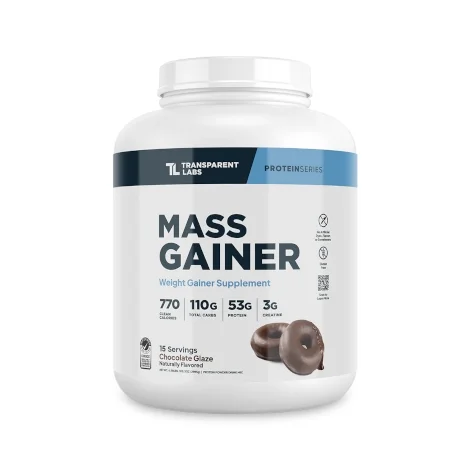
Transparent Labs Mass Gainer is the best option on the market, and scored 4.5 out of 5 stars overall in our testing. We love that it uses natural ingredients with no added sugar, contains over 50 grams of protein per serving, and scored a perfect 5 out of 5 stars for flavor in our testing.
Best Mass Gainers
- Best Mass Gainer Overall: Transparent Labs Mass Gainer is made with natural ingredients, contains no added sugar, and scored highly for flavor, which is why it’s our top pick.
- Best Mass Gainer Protein Powder: Nutricost Mass Gainer is packed with calories and provides a hefty serving of protein, making it a great choice for an on-the-go shake.
- Best Mass Gainer With Creatine: Optimum Nutrition Serious Mass contains 5 grams of creatine per serving, the clinically recommended dose, making it a great choice for building muscle.
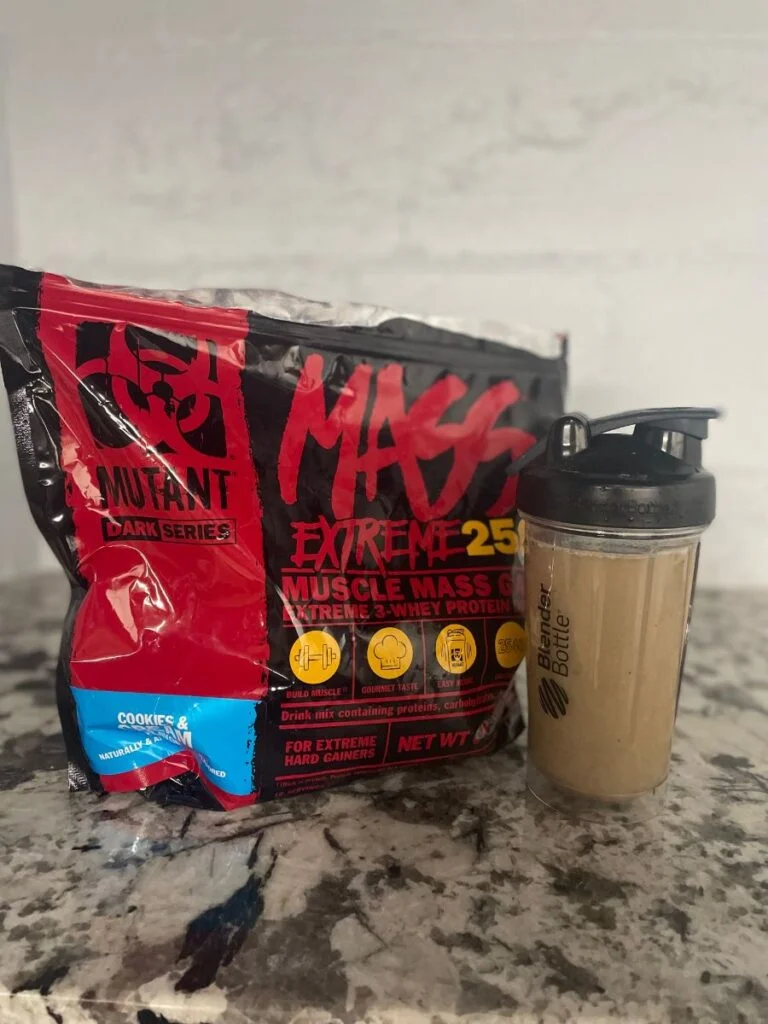
- Best Budget Mass Gainer: Mutant Mass costs less than two dollars per serving, making it one of the most affordable mass gainers on the market.
- Best High-Calorie Mass Gainer: Dymatize Super Mass Gainer delivers 1,280 calories per serving, which is more than any other protein on this list.
How We Selected the Best Mass Gainers
Since mass gainers are a bit different from your typical protein powders, the formulation is one of the most important things to consider. They’re designed to pack in the calories with added carbs and fats, not just protein, so the main thing we’re looking for is a good carb-to-protein ratio. To earn 3 out of 5 stars, a mass gainer has 3:1 or 4:1 carb-to-protein ratio, but the carbs may be from lower-quality sources. Higher scores are awarded for higher-quality carb and protein sources.
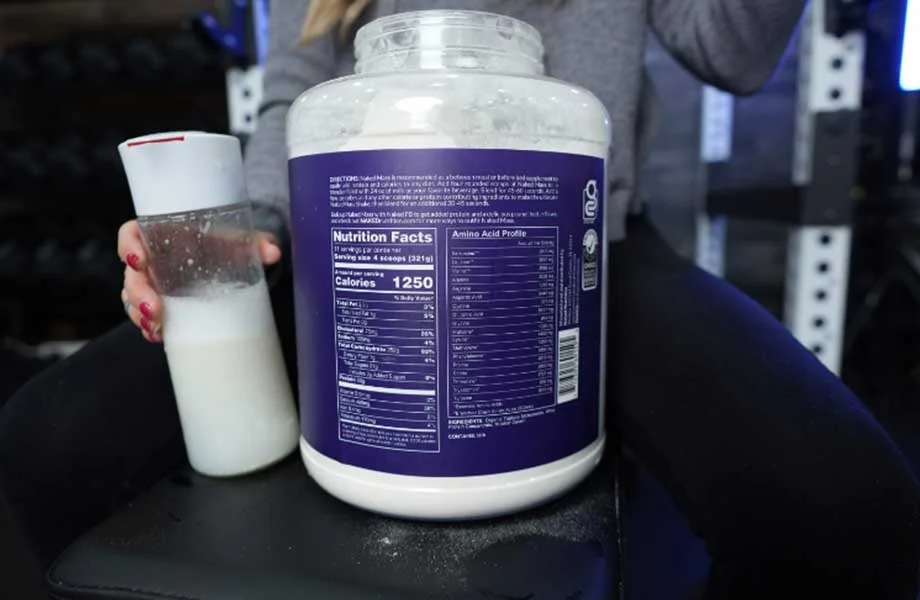
Mass gainers contain more calories and nutrients than traditional protein powders, so they’re going to cost more. Prices can be less than $2 per serving, or as high as $9, if not more, with the average mass gainer we tested costing $4.25 per serving. For a 3 out of 5, the price is between $3 and $5 per serving.
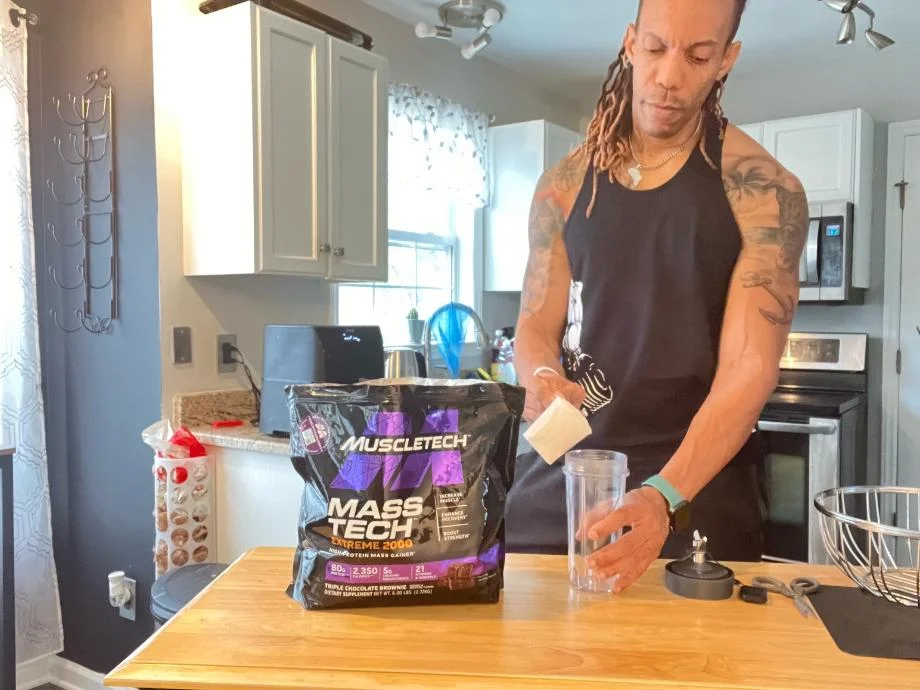
Certain types of protein can cause digestive stress in some, especially if you have lactose issues, and mass gainers often add all kinds of other foods into the mix. We asked our testers to note any negative side effects, including unpleasant aftertastes and digestive issues, as well as positive effects, like weight gain. To earn 3 out of 5 stars, there may be a few minor complaints, but overall, the mass gainer provided a positive experience.
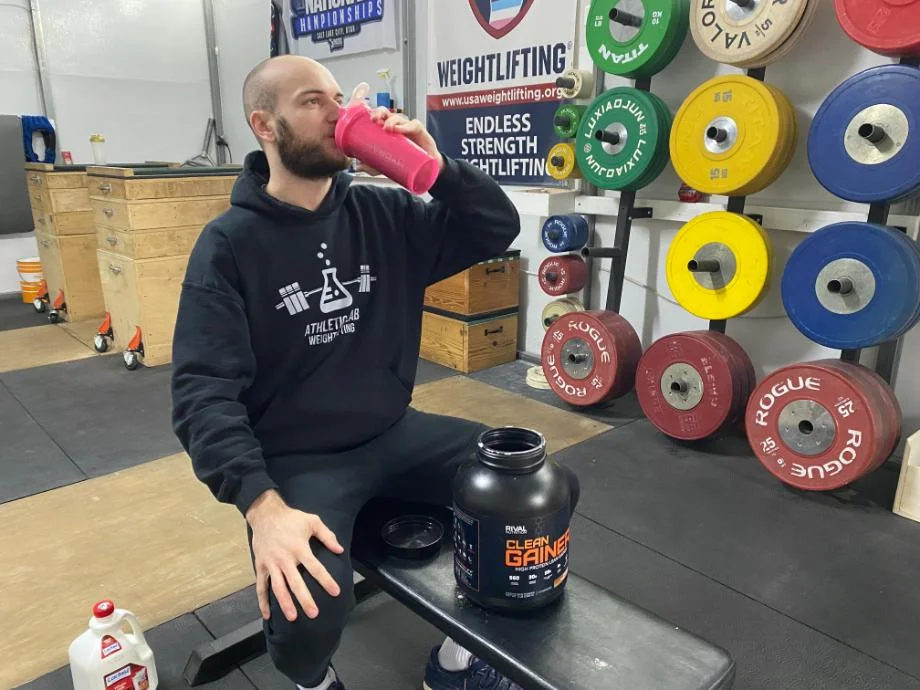
Before reviewing and scoring any mass gainer, we put it through an in-depth testing process. Our testers try the mass gainers as instructed, mix it with a variety of liquids, and when possible, they take it for at least a week or two to see if they notice any weight gain. After testing, we use our supplement testing methodology to rate each product.
This helps us provide an unbiased review score by rating each product on a scale of 1-5 for a variety of categories, like solubility, taste, third-party testing, and more.
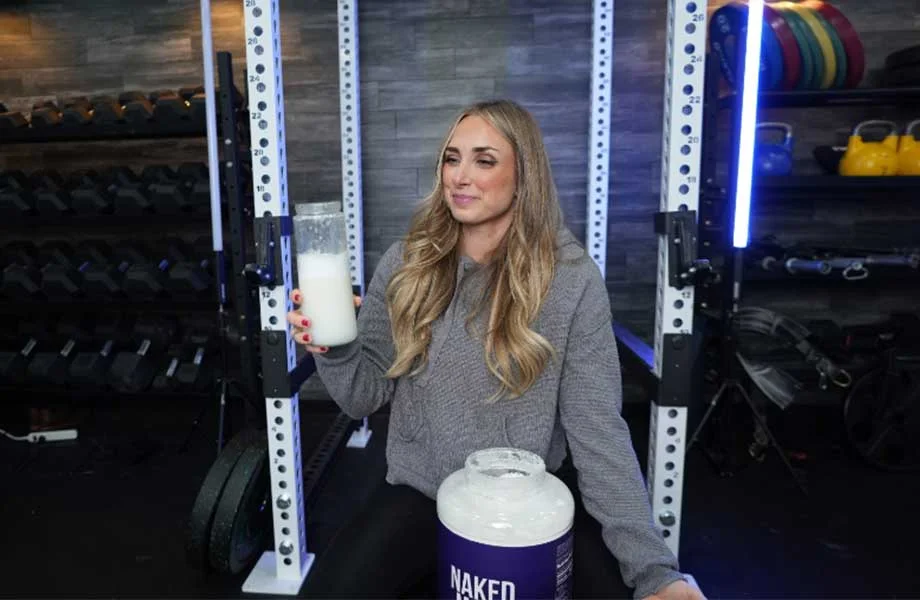
Our team of expert testers has years of experience testing supplements, including protein powder, mass gainers, pre-workouts, and more. We’re a team of certified personal trainers, certified nutrition coaches, gym owners, athletes, and fitness enthusiasts.
For this guide, we also enlisted the help of Laila Ouldibbat, a New York City-based registered dietitian who’s pursuing a Ph.D. in Biological Sciences, to give us an intricate understanding of how these supplements work.

Latest Updates
In July 2026, we reworked this entire list to ensure we were still providing you with the best mass gainer options on the market. While Transparent Labs Mass Gainer still remains our top pick, we added Nutricost due to its excellent formulation and price per serving, and removed a few mass gainers that are no longer in production.
Best Mass Gainers of 2026
| Transparent Labs Mass Gainer | Nutricost Mass Gainer | Optimum Nutrition Serious Mass | Mutant Mass | Dymatize Super Mass Gainer | |
| Total Calories | 750-770 | 1,220 | 1,250 | 550 | 1,280 |
| Protein | 53 g | 50 g | 50 g | 28 g | 52 g |
| Carbs | 114 g | 250 g | 250-253 g (varies by flavor) | 102 g | 245 g |
| Fat | 14 g | 6 g | 5-6 g (varies by flavor) | 3 g | 10 g |
Best Mass Gainer Overall: Transparent Labs Mass Gainer









| Transparent Labs Mass Gainer | Average Mass Gainer | |
| Price per serving | $5.33 | $4.25 |
| Calories per serving | 750-770 | 1,029 |
| Protein per serving | 53 g | 46 g |
| Carbs per serving | 114 g | 195 g |
| Fat per serving | 14 g | 7 g |
| Number of flavors | 4 | 4 |
| Third-party tested? | Yes | Yes |
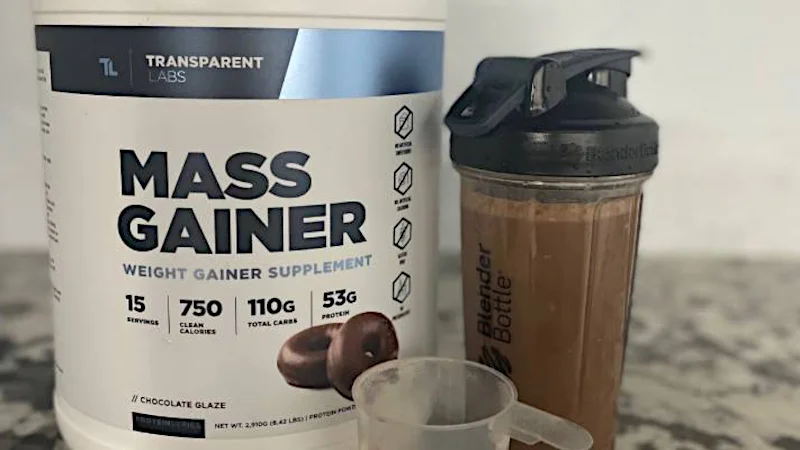
Transparent Labs lives up to its name by not only letting you see everything that goes into its supplements, but how much of each ingredient goes into every product. When it comes to Transparent Labs Mass Gainer, we like what we see. This supplement is made with natural, high-quality ingredients such as sweet potato, contains zero added sugar, and has 3 grams of creatine monohydrate, which has been shown to support strength and recovery1.
Buy If
- You want a low-fat mass gainer
- Natural ingredients are a priority for you
- You prefer carbs over fat
Avoid If
- You’re shopping on a budget
- You prefer a higher calorie mass gainer
- You have existing heart health concerns
Why We Like Transparent Labs Mass Gainer
- Transparent Labs uses clear third-party testing and shares certificates of analysis for each product.
- All ingredients are natural, and there’s no added sugar.
- Each serving contains 3 grams of VitaFiber, a type of fiber made from plant starches that has been linked to digestive benefits2.
In addition to offering 770 calories and 53 grams of protein, each serving is made with grass-fed whey, quality amino acids, and natural carbohydrates, making it the perfect supplement to increase calorie intake for those who cannot achieve a surplus through food alone.
Destini Moody, RD, CSSD, LD
What We Didn’t Like About Transparent Labs Mass Gainer
- It’s high in saturated fat, which may not be ideal for those with heart issues, according to sports dietitian Destini Moody, RD, CSSD, LD.
- The calories are high, but not as high as other mass gainers on this list.
- At $5.33 per serving, it’s expensive, and you only get 15 servings per container.
If you’re looking for a more affordable option, Mutant Mass is another great mass gainer to consider.
For more, be sure to read our complete Transparent Labs Mass Gainer review.
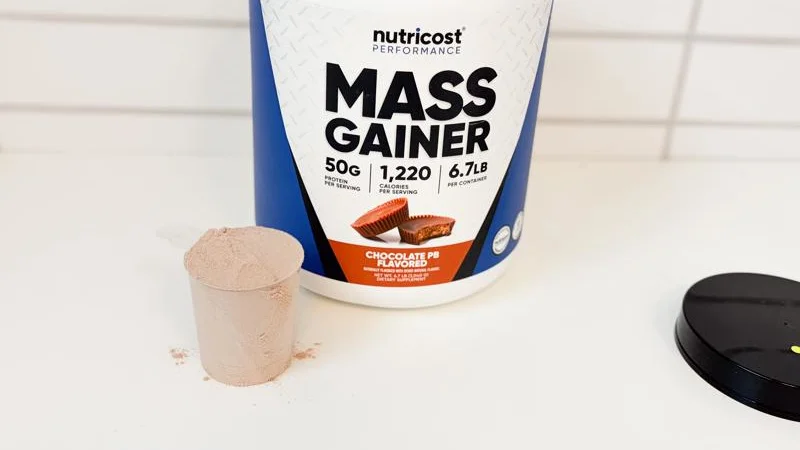
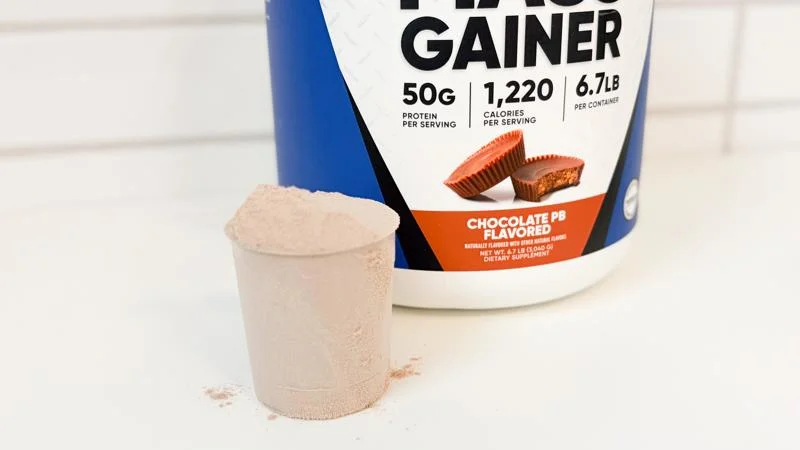
Best Mass Gainer Protein Powder: Nutricost Mass Gainer
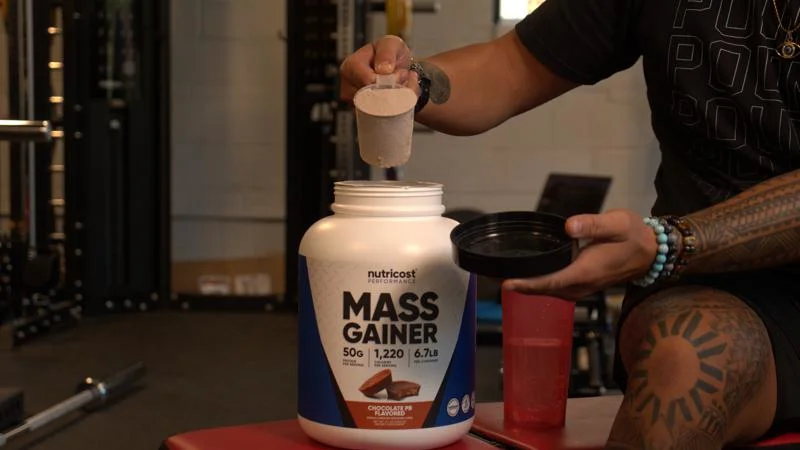
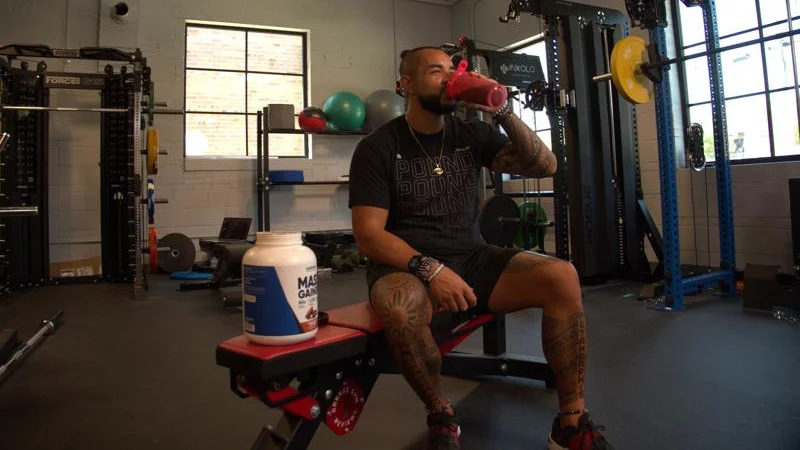
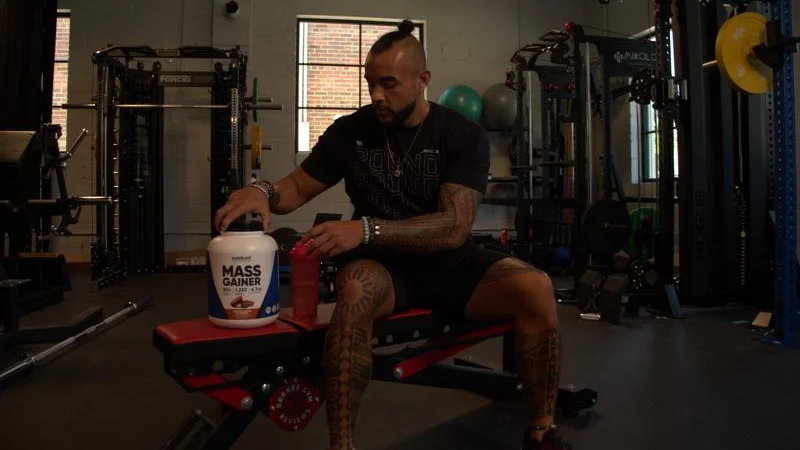



Nutricost Mass Gainer offers a straightforward, high-calorie formula with 50 grams of protein plus added creatine and L-glutamine at an approachable price. The limited number of servings and very large serving size may be drawbacks, but it's a reasonable option for budget-conscious athletes focused on gaining weight and muscle.
| Nutricost Mass Gainer | Average Mass Gainer | |
| Price per serving | $4.99 | $4.25 |
| Calories per serving | 1,220 | 1,029 |
| Protein per serving | 50 g | 46 g |
| Carbs per serving | 250 g | 195 g |
| Fat per serving | 6 g | 7 g |
| Number of flavors | 3 | 4 |
| Third-party tested? | Yes | Yes |
Those struggling to put on muscle tissue will love Nutricost Mass Gainer, which is formulated with 50 grams of protein and a full 250 grams of carbs—significantly more than the average mass gainer. Many mass gainers are also high in dietary fat, but this one emphasizes the carbs, which is great for those looking to fuel a tough workout session.
Buy If
- You want plenty of carbs to power up your workouts
- You’re a hardgainer who needs a high-calorie shake
- Third-party testing is important to you
Avoid If
- You prefer a more balanced macro split
- You want more flavor options
- You’re shopping on a budget
Why We Like Nutricost Mass Gainer
- Each serving contains over 1,200 calories.
- It contains a higher-than-average amount of carbohydrates.
- Nutricost uses high-quality ingredients and third-party testing.
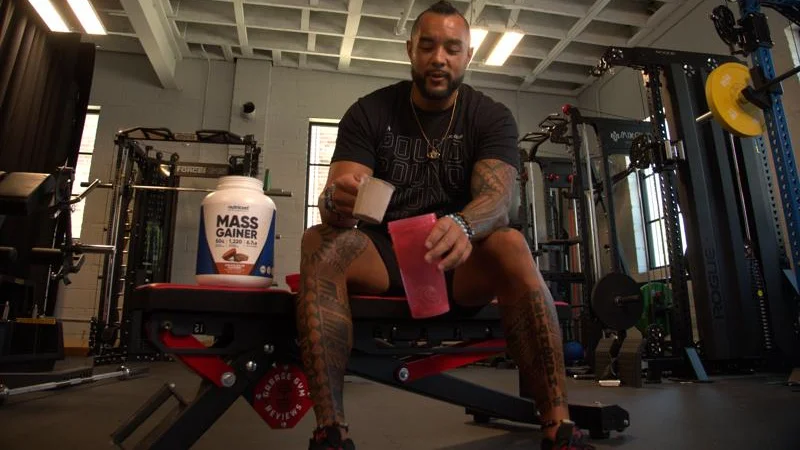
I tried the Chocolate Peanut Butter Flavor and it certainly lives up to its name. It’s not overly sweet, and the peanut butter aspect isn’t overpowering.
Stephen Sheehan, CPT, CNC
What We Didn’t Like About Nutricost Mass Gainer
- While the taste is great, it can be a little thick and clumpy, even with aggressive shaking.
- The first ingredient is maltodextrin, which is an easily digestible carb, but doesn’t provide much nutritional value. This formula is also lower in dietary fats.
- There are only three available flavors to choose from.
If you prefer a more balanced profile with more fat in each scoop, Transparent Labs Mass Gainer is another great choice.
Best Mass Gainer With Creatine: Optimum Nutrition Serious Mass
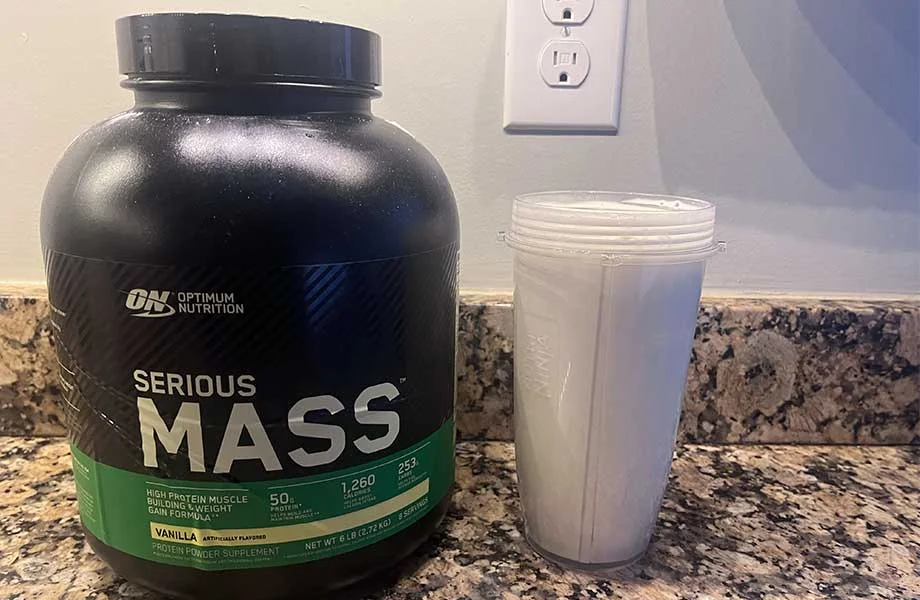
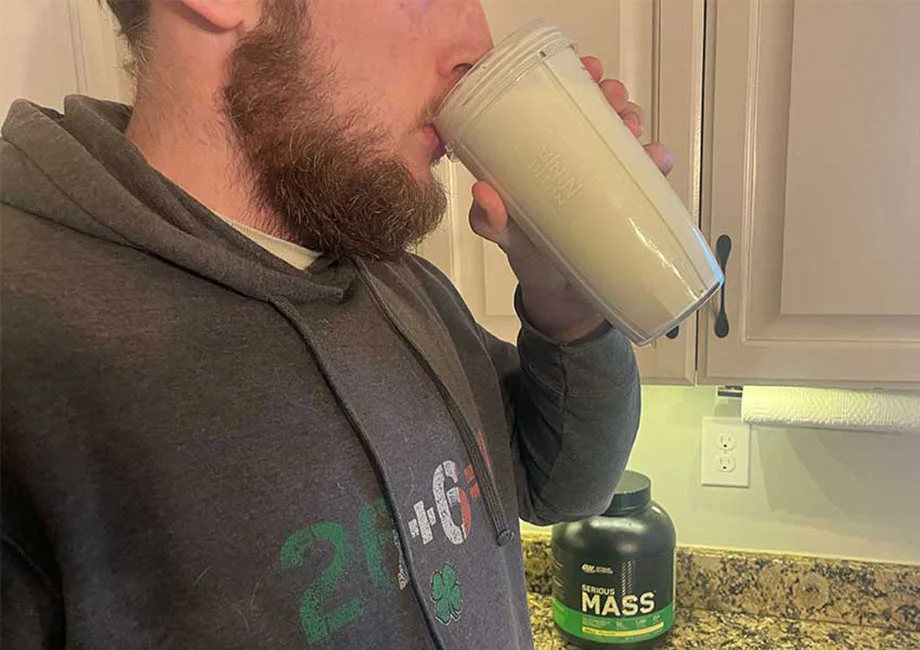
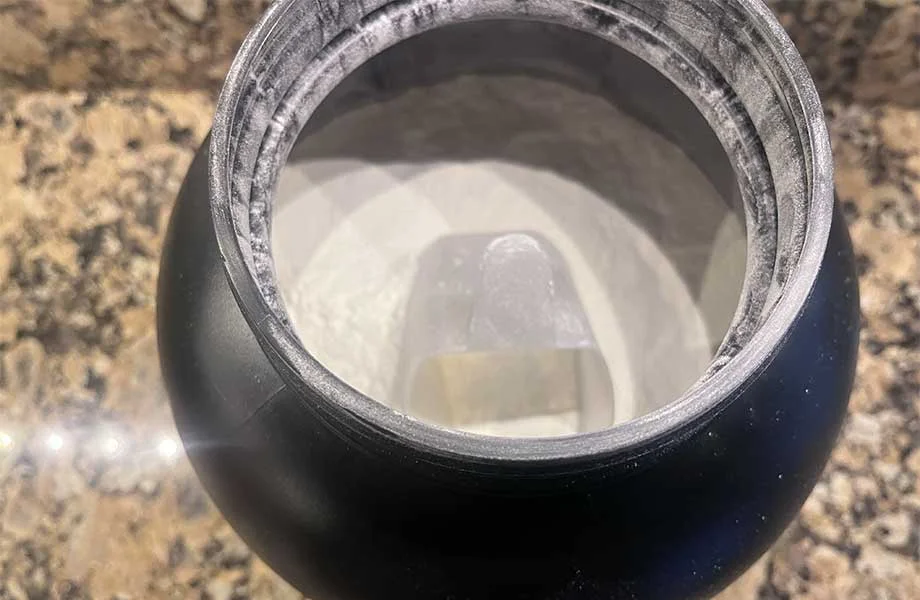
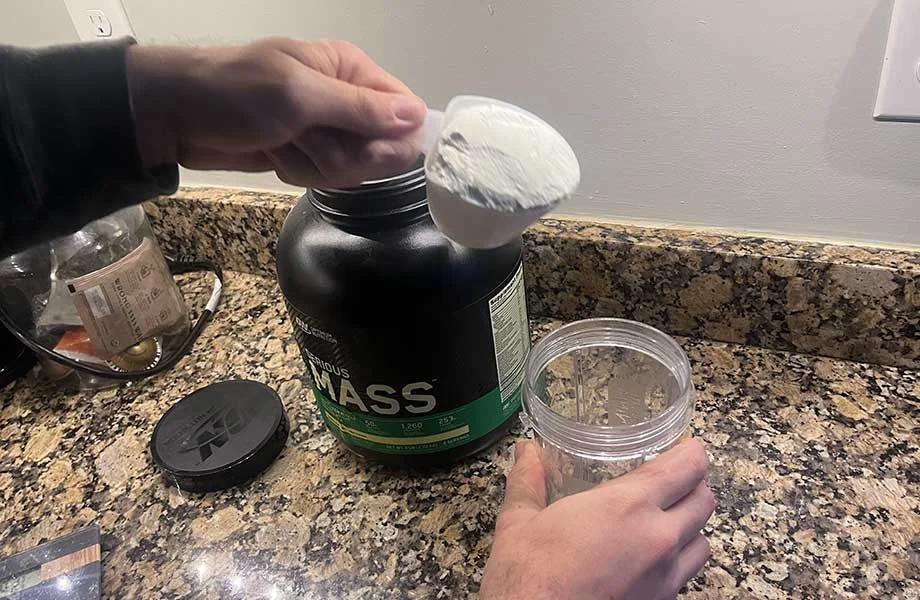


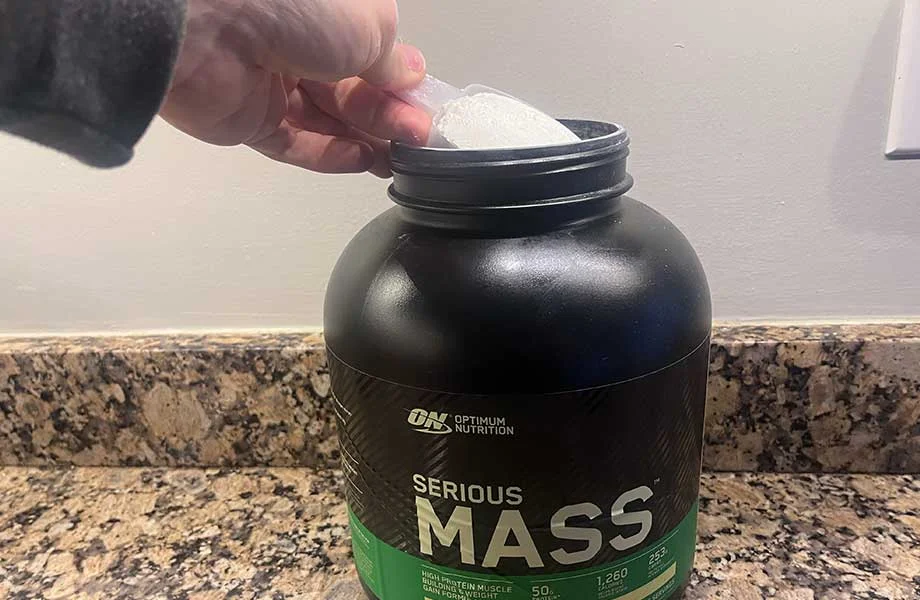
Optimum Nutrition Serious Mass combines 1,250 calories, 50 grams of protein, and added creatine for people who struggle to eat enough while bulking. However, its massive carbohydrate load and oversized serving may be more than some users need or tolerate comfortably.
| Optimum Nutrition Serious Mass | Average Mass Gainer | |
| Price per serving | $7.19-$9.31 | $4.25 |
| Calories per serving | 1,250 | 1,029 |
| Protein per serving | 50 g | 46 g |
| Carbs per serving | 250-253 g (varies by flavor) | 195 g |
| Fat per serving | 5-6 g | 7 g |
| Number of flavors | 5 | 4 |
| Third-party tested? | No | Yes |
Optimum Nutrition Serious Mass has a long ingredient list, but we’re mostly interested in one: Creatine monohydrate, the most-researched training supplement that has continually been linked with improved strength and muscle size1. When added to a mass gainer, creatine can help users ensure the muscle mass they’re putting on is what’s known as “quality size,” meaning it’s not just extra fat. You get 5 grams of it in this mass gainer, which is at the higher end of the clinically recommended dose.
Buy If
- You want creatine in your mass gainer
- You don’t mind a large shake
- You need a high-calorie shake
Avoid If
- You’re shopping on a budget
- You want more fat in your mass gainer
- Third-party testing is important for you
Why We Like Optimum Nutrition Serious Mass
- Each serving contains 5 grams of creatine monohydrate, the clinically recommended dose for building strength and muscle.
- It mixes well, and the solubility is great for a mass gainer.
- Our tester found the flavor to be pleasant without being too overpowering.
It’s two large scoops, so it’s soluble so long as you’re using a blender. No big lumps, but it does take some blending to get it all mixed.
Anthony O’Reilly, CPT, CNC
What We Didn’t Like About Optimum Nutrition Serious Mass
- It’s very expensive compared to other mass gainers.
- The serving size is large, which can make it difficult to mix without a blender.
- While Optimum Nutrition is a reputable brand, overall, there’s no third-party testing for this formula.
For another high-calorie option that’s a bit easier on the wallet, you may want to consider Dymatize Super Mass Gainer.
Read more of our thoughts in our Optimum Nutrition Serious Mass review.
Best Budget Mass Gainer: Mutant Mass
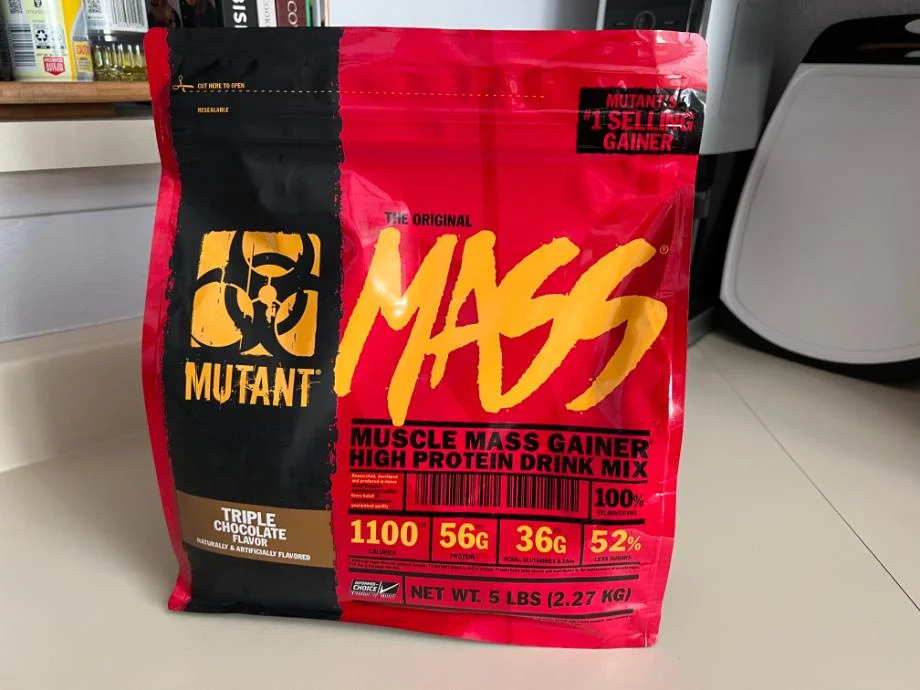
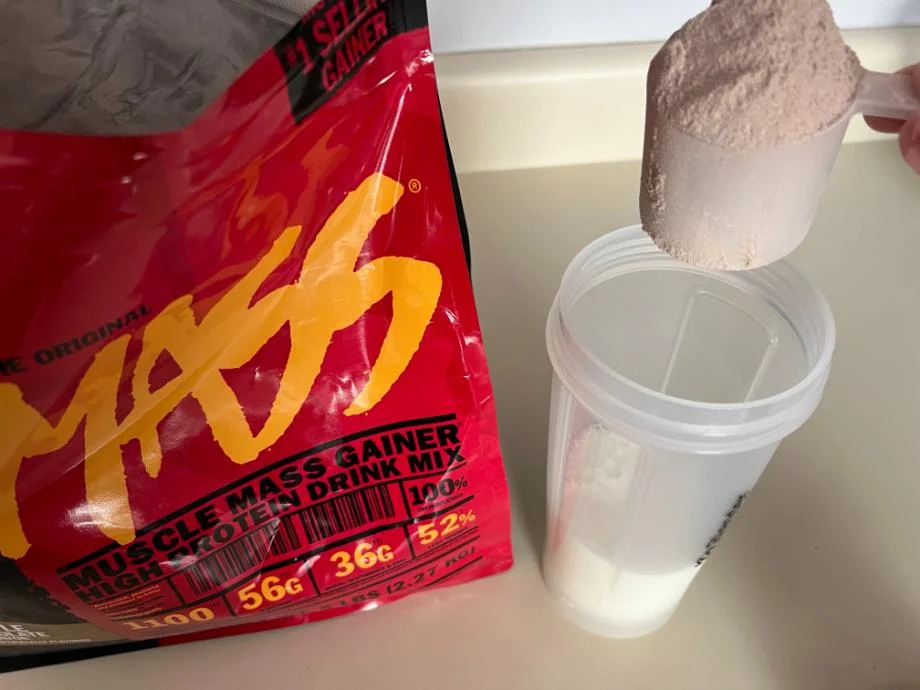
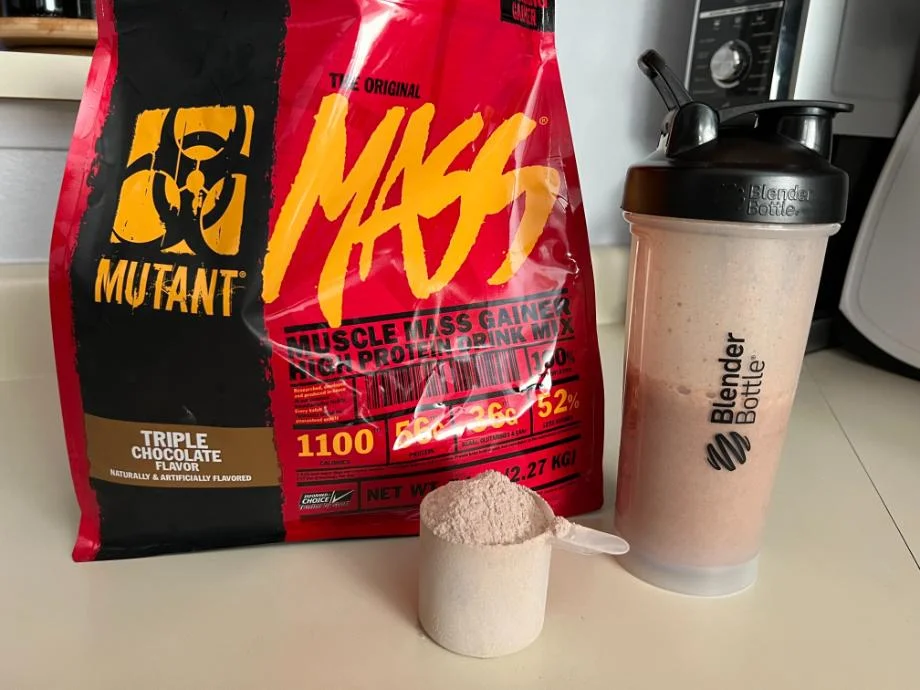
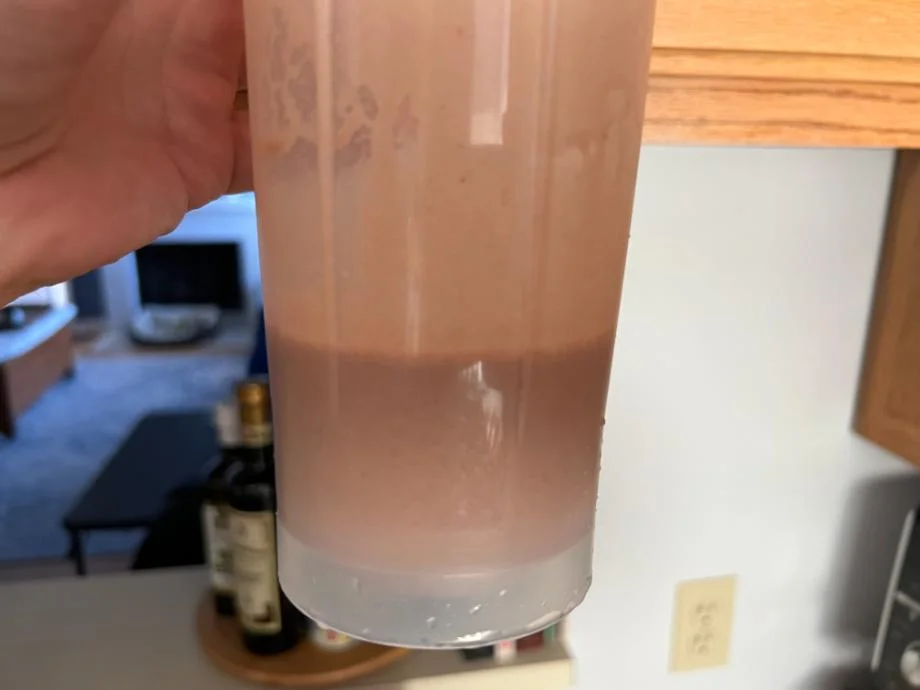

Mutant Mass is a calorie-packed mass gainer designed for hard gainers and athletes looking to increase body weight and muscle mass. Its combination of 56 grams of protein, more than 1,000 calories, and added digestive enzymes makes it a solid bulking supplement, though the large serving size and lack of third-party certification may be drawbacks for some users.
| Mutant Mass | Average Mass Gainer | |
| Price per serving | $1.84-$2.93 | $4.25 |
| Calories per serving | 550 | 1,029 |
| Protein per serving | 28 g | 46 g |
| Carbs per serving | 102 g | 195 g |
| Fat per serving | 3 g | 7 g |
| Number of flavors | 5 | 4 |
| Third-party tested? | Yes | Yes |
Many of the mass gainers on our list cost about $4-$5 per serving, and that can add up over time. If you’re looking for a more budget-friendly alternative, go for Mutant Mass. Depending on what size bag you order, a one-scoop serving comes out to around $1.84-$2.93, which is an absolute steal for a mass gainer. It’s the most affordable mass gainer on our list, but it contains fewer calories and less protein than most other mass gainers, but it’s still a great deal for those who don’t need 1,000+ calories from a shake, and you can always take two servings if you need more calories.
Buy If
- You want an affordable mass gainer
- You prefer a slightly smaller serving size
- You already get plenty of protein from other sources
Avoid If
- You need more protein per serving
- You don’t like sweet protein powders
- You have gluten allergies
Why We Like Mutant Mass
- It’s significantly more affordable than most other mass gainers.
- All of the carbs, protein, and fat come from a blend of sources.
- There are five flavors to choose from.
I expected to feel bloated and have stomach discomfort after drinking this, but I didn’t experience any side effects at all. This mass gainer does contain lactose and gluten, so those with food sensitivities should be careful, but I was pleasantly surprised.
Matt Dustin, CSCS, PN1-NC
What We Didn’t Like About Mutant Mass
- While the cost is low, it only contains 28 grams of protein per serving, so it’s almost like having a half-serving of other mass gainers.
- Some of the ingredients contain gluten.
- While it received a high flavor score, one tester noted that the flavor is a bit too sweet.
If you prefer more protein and calories per serving, we recommend Transparent Labs Mass Gainer instead.
You can read more about this budget-friend protein powder in our full Mutant Mass review.
Best High-Calorie Mass Gainer: Dymatize Super Mass Gainer
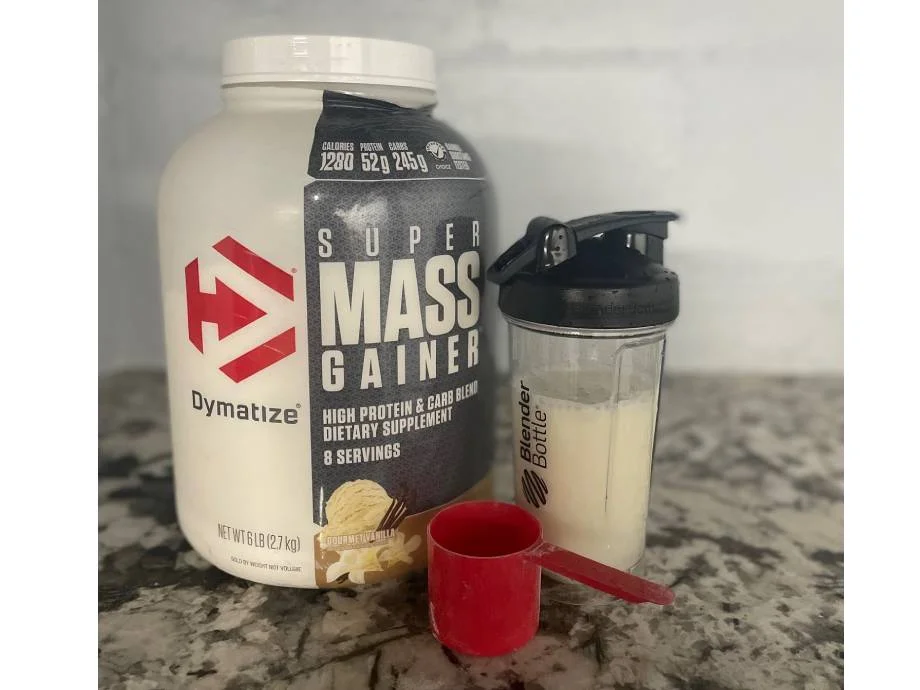
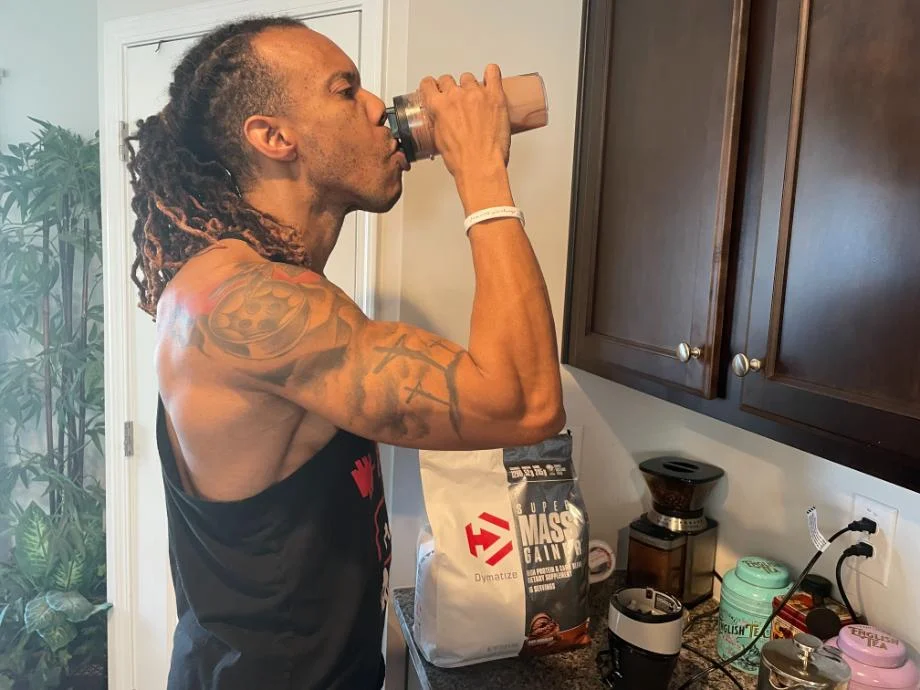
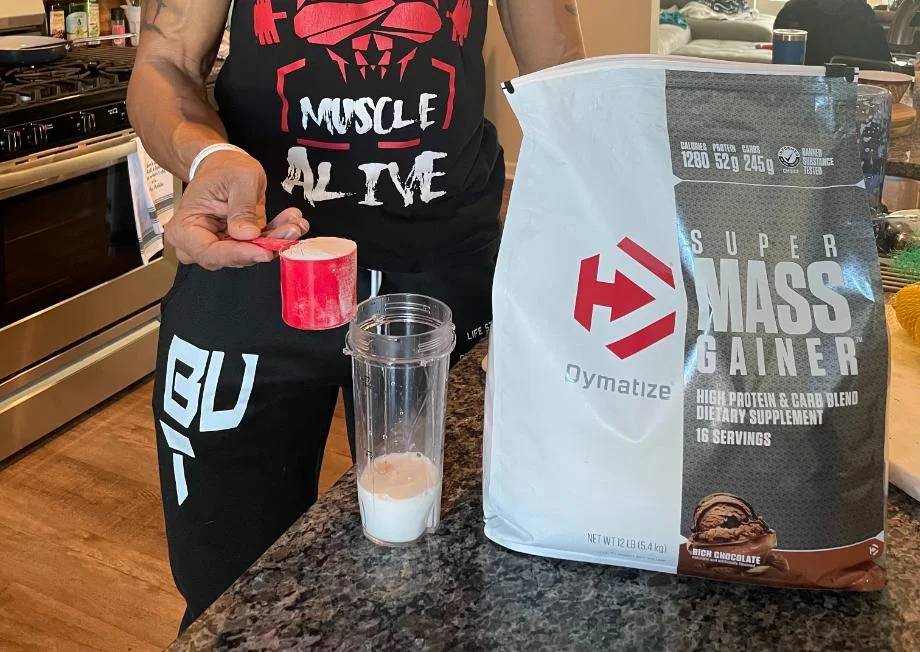
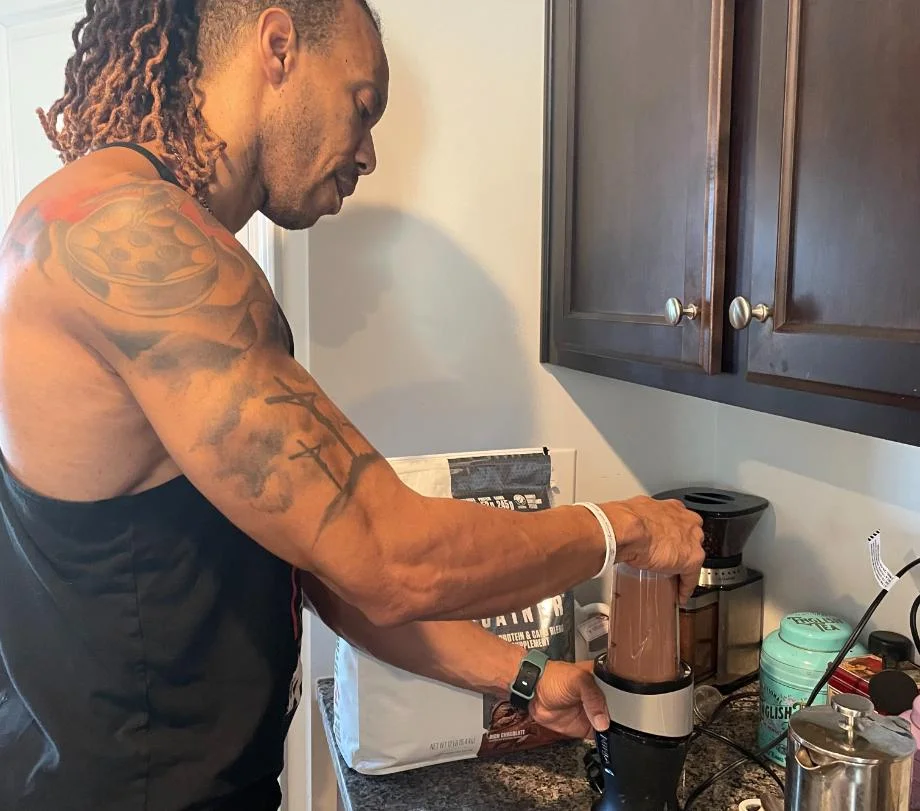

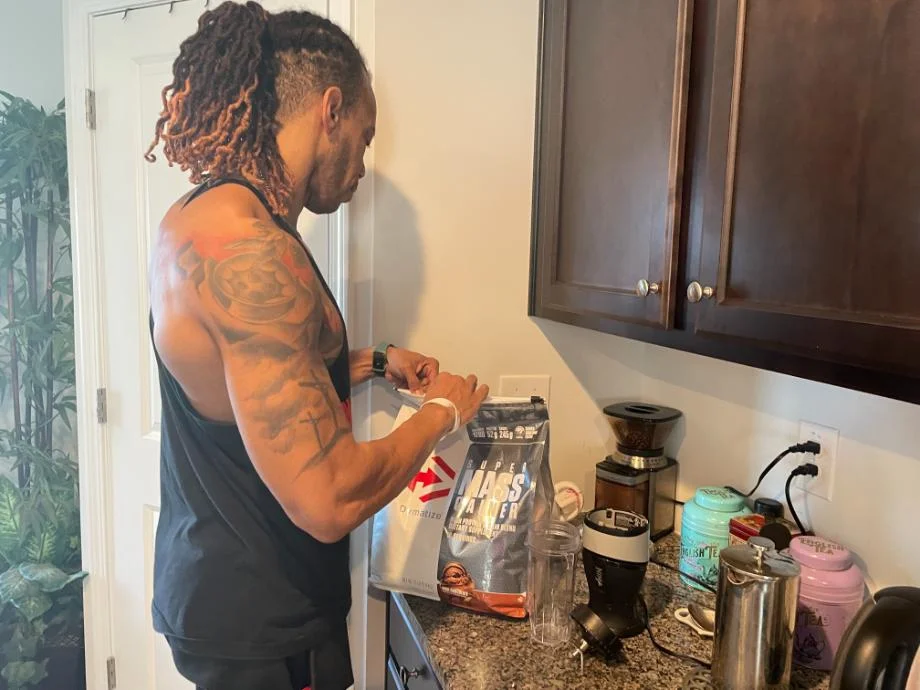
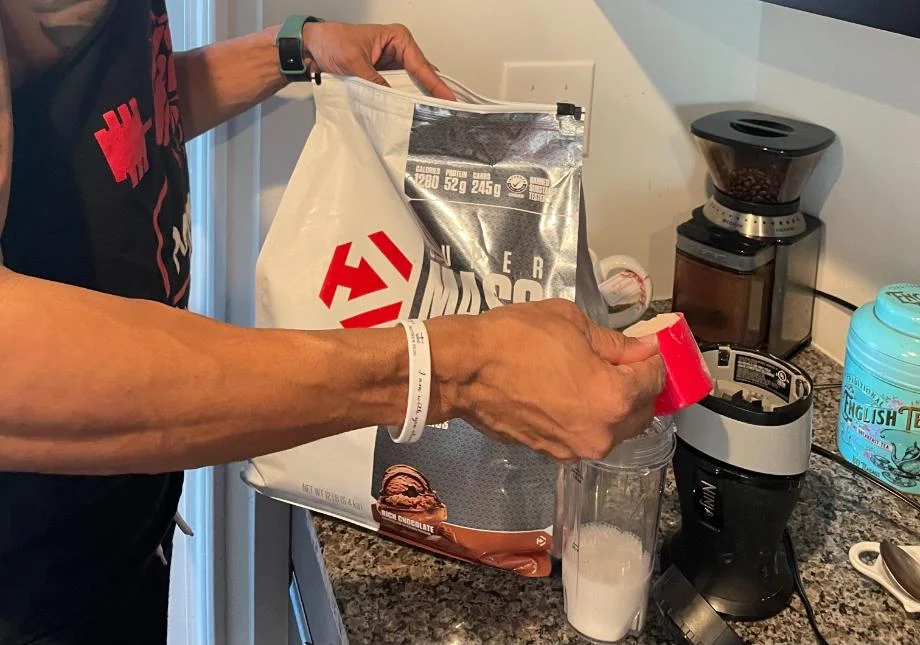
Dymatize Super Mass Gainer is built for athletes who need a serious calorie surplus, packing 1,280 calories, 52 grams of protein, and 245 grams of carbohydrates into each serving. Its Informed Choice certification is a welcome bonus, but the oversized serving and high carb content make it better suited for dedicated bulk phases than everyday use.
| Dymatize Super Mass Gainer | Average Mass Gainer | |
| Price per serving | $4.37-$4.99 | $4.25 |
| Calories per serving | 1,280 | 1,029 |
| Protein per serving | 52 g | 46 g |
| Carbs per serving | 245 g | 195 g |
| Fat per serving | 10 g | 7 g |
| Number of flavors | 3 | 4 |
| Third-party tested? | Yes | Yes |
When it comes to helping with muscle growth and recovery, individuals in a bulking block will appreciate the absolutely whopping 1,280 calories per serving in this mass gainer. When we said high-calorie, we meant it. Its calories come from 52 grams of protein, nearly 250 grams of carbohydrates, and 10 grams of fat.
Buy If
- You want one of the highest-calorie mass gainers on the market
- You prefer to have dietary fat in your shake
- You don’t mind a large serving size
Avoid If
- You’re shopping on a budget
- You want to avoid artificial sweeteners
- You prefer a thick texture in your shake
Why We Like Dymatize Super Mass Gainer
- It contains more calories and protein than the average mass gainer.
- It’s third-party tested by the NSF and has the Informed Choice seal.
- Our tester found it very easy to digest.
“I like this a lot—it’s very tasty, and I have no digestive issues with it. I would definitely use it again, especially if I see improvement with my weight gain over time.”
GGR Expert Product Tester
What We Didn’t Like About Dymatize Super Mass Gainer
- The texture feels thin compared to other mass gainers.
- A single serving is 2.5 cups, which is a lot to get down at once.
- It costs slightly more than the average mass gainer.
If you want a more affordable option, Mutant Mass is worth considering, but it contains fewer calories and protein per serving.
For more, check out our complete Dymatize Super Mass Gainer review.
Our Testers

Stephen Sheehan, CPT, CNC
Stephen is a certified personal trainer with a background in strength and physique training.

Anthony O'Reilly, CPT, CNC
Anthony is a certified personal trainer and nutrition coach, and a former GGR performance editor.

Matt Dustin, CSCS, PN1-NC
Matt is a strength and conditioning specialist and certified nutrition coach.
Other Mass Gainers We Tested
While we narrowed down our list to the top five, we tested quite a few other mass gainers when working on this guide. Here are a few more that we enjoyed:
Best Lean Mass Gainer: Muscle Milk Pro
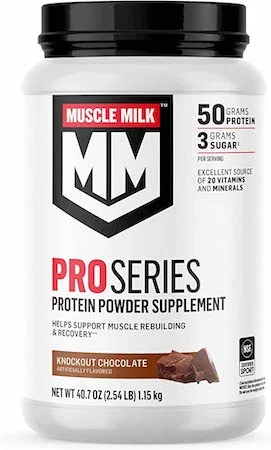
- 50 grams of protein per serving
- Mix of fast- and slow-releasing proteins
- NSF Certified for Sport: No banned substances and product matches what is on the label
- Available in 3 flavors
What We Like:
- Contains 50 grams of protein per serving
- Excellent flavor
- Easy to mix with only a shaker cup
What We Don’t Like:
- Fewer calories than most mass gainers
- Only three flavors
- May cause bloating in some people
Testing Breakdown
Best Meal Replacement Mass Gainer: Huel Complete Black
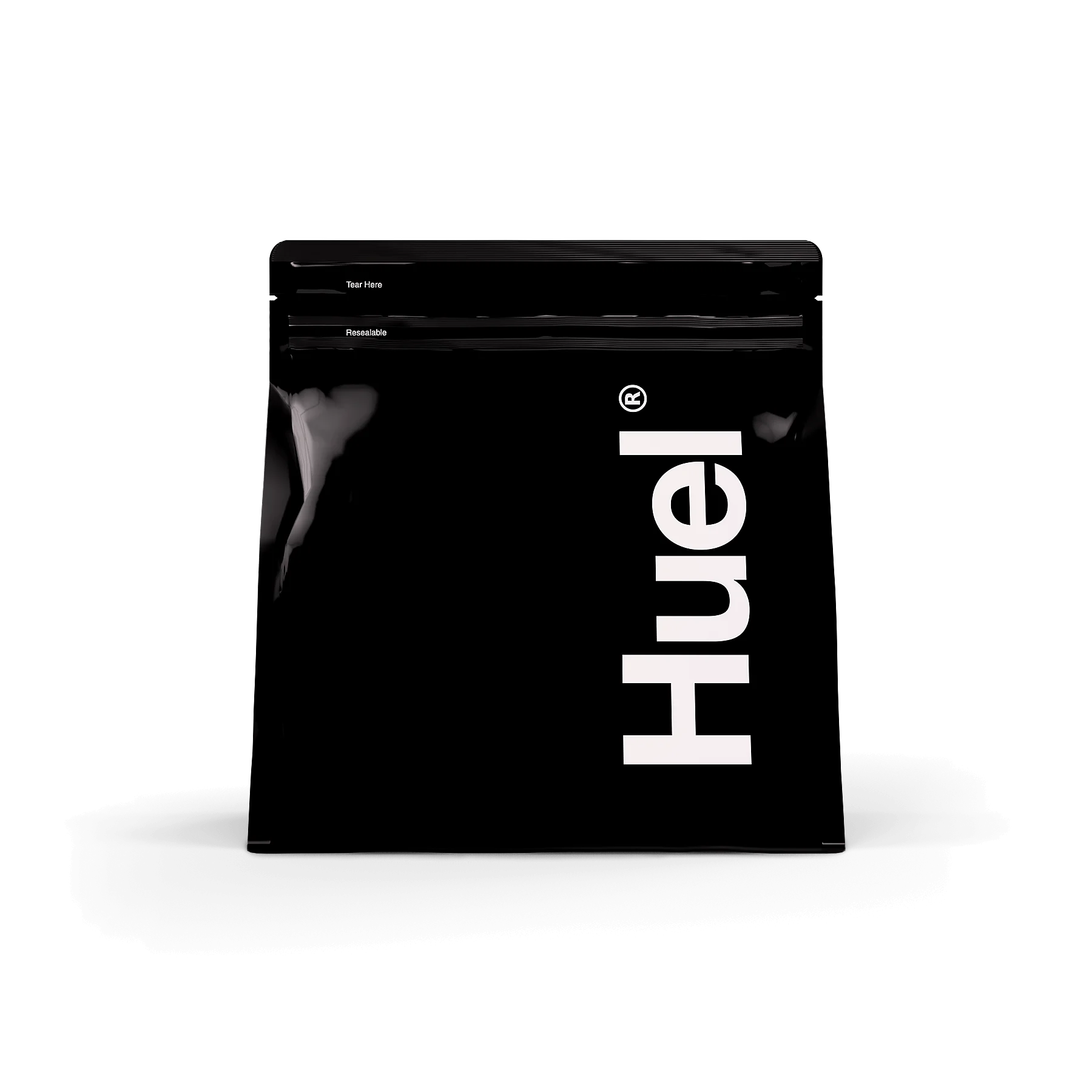
- Plant-based complete nutritional shake
- No artificial sweeteners
- 9 flavor options
What We Like:
- Contains a balanced blend of protein, carbs, and fats
- Works well as a meal replacement shake
- Uses plant-based protein and contains dietary fiber
What We Don’t Like:
- Contains fewer calories than most mass gainers
- Texture can be a little clumpy
- Flavors can be hit or miss
Testing Breakdown
Best Natural Mass Gainer: Naked Nutrition Mass
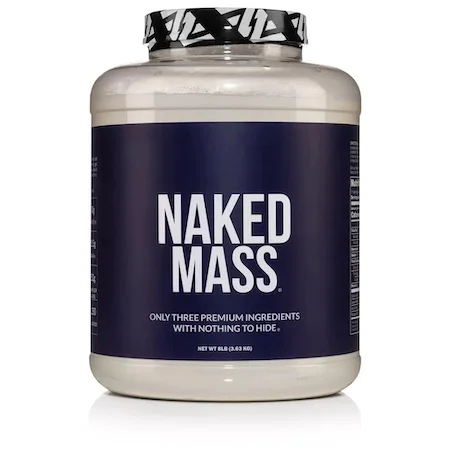
- 1,250 calories per serving
- Just 3 ingredients
- Gluten-free, soy-free, non-GMO
What We Like:
- 1,250 calories per serving
- Third-party tested
- Only contains three ingredients
What We Don’t Like:
- Large serving size requires a blender
- Gritty texture
- Above-average cost
Testing Breakdown
Benefits of Mass Gainers
Buying Guide: What to Look for in Mass Gainers
Our Recommendations
Best Mass Gainer FAQs
Do mass gainers actually work?
Mass gainers can help people put on weight, so long as the rest of their diet and training routine is on par. You’ll need to make sure you’re in a caloric surplus, or eating more calories than you’re expending, and training in a way that allows you to best utilize the calories and macronutrients in a mass gainer. (That means strength training!)
Since they typically contain plenty of protein and very high amounts of carbohydrates, mass gainers can be a great tool for post-workout recovery.
Should skinny guys take mass gainer?
While most mass gainers contain a blend of food sources, we recommend that anyone, regardless of their weight or size, consult a nutritionist or physician before beginning a supplement regimen.
You can also try a DIY mass gainer if you don’t want to buy any of the pre-made options.
What is the difference between mass gainer and protein powder?
Mass gainer supplements contain hundreds, if not thousands, of calories that help people gain weight. Protein powders typically contain anywhere from 100-300 calories and contain mostly protein, whereas mass gainers may contain large quantities of fats and carbohydrates, as well, along with added vitamins and minerals, and more BCAAs.
Additionally, many of the best protein powders use whey isolate for easy digestion, while mass gainers can include a blend of whey protein powder sources, like whey protein concentrate, along with casein protein or plant-based proteins.
Additionally, some vegan mass gainers use ingredients like pea protein or rice protein instead of dairy, which can still provide plenty of calories and protein.
* These statements have not been evaluated by the Food and Drug Administration. This product is not intended to diagnose, treat, cure, or prevent any disease.
References
- Cooper, R., Naclerio, F., Allgrove, J., & Jimenez, A. (2012). Creatine supplementation with specific view to exercise/sports performance: an update. Journal of the International Society of Sports Nutrition, 9(1), 33. https://doi.org/10.1186/1550-2783-9-33
- U.S. National Library of Medicine. The Dietary Effects of VitaSugar/VitaFiber-IMO in Healthy Adults. ClinicalTrials.gov. Oct. 31, 2011